
Car CO2 emissions now affect almost every cost of running a car in the UK, from the first year's road tax to how much company car tax you pay each month. This guide explains what CO2 is, the rules for the 2026/27 tax year, and the low-emission cars First Vehicle Leasing can arrange for you today.
Key Takeaways
- Provisional Department for Transport figures show domestic transport was the UK's largest emitting sector in 2025, at 31% of total emissions. Cars and taxis produced 53% of domestic transport emissions in 2024.
- New cars registered from 1 April 2026 pay first-year VED of £10 at 0g/km, rising to £5,690 above 255g/km. From year two, most cars pay the £200 standard rate.
- In 2026/27, company car Benefit in Kind (BIK) is 4% for electric cars, 4–16% for plug-in hybrids (depending on electric range) and roughly 15–37% for petrol and diesel cars.
- Under the ZEV mandate, 33% of each manufacturer's new car sales must be zero emission in 2026. A government review of the later targets is open until 23 October 2026.
- A pay-per-mile charge (eVED) is planned from April 2028: 3p per mile for electric cars and 1.5p for plug-in hybrids, on top of standard VED.
What Are Car CO2 Emissions?
Car CO2 emissions are the carbon dioxide that comes out of a car's exhaust, measured in grams per kilometre (g/km). When petrol or diesel burns, the carbon in the fuel joins with oxygen from the air to make CO2. So the more fuel a car burns, the more CO2 it produces. Fully electric cars produce none at the tailpipe.
CO2 is a greenhouse gas: it traps heat in the atmosphere. It isn't toxic in the way exhaust fumes are, though. The gases that harm air quality in towns are mainly nitrogen oxides (NOx) and particulates. Every new car has an official CO2 figure from the Worldwide Harmonised Light Vehicle Test Procedure (WLTP), a standard laboratory test. The DVLA and HMRC use that figure for tax. Your real-world figure will depend on how you drive, the weather and how much you carry.
Is CO2 what ULEZ charges are based on?
No. London's Ultra Low Emission Zone (ULEZ) and the Clean Air Zones in other cities charge by Euro emissions standard, which is about NOx and particulates, not CO2. In London, petrol cars generally need to meet Euro 4 and diesels Euro 6. That means an older diesel with a low CO2 figure can still be charged, while a modern petrol car with higher CO2 may not be.
How Much Do Cars Contribute to UK CO2 Emissions?
According to the Department for Transport, domestic transport was the UK's largest emitting sector in 2025. It produced 31% of total greenhouse gas emissions, or 112.9 million tonnes of CO2 equivalent (MtCO2e), based on provisional figures. In 2024, cars and taxis produced 53% of domestic transport emissions, about 59.5 MtCO2e. That's far more than vans or HGVs.
New cars are getting cleaner quickly. The SMMT reports that the average CO2 figure for new cars fell 10.1% in 2025 to 91.8g/km, mostly because more electric cars were registered. The average for all cars on the road falls much more slowly, because older cars stay in use for years. You can read the full breakdown in the DfT's transport emissions statistics.
How Does CO2 Affect Road Tax in 2026/27?
For a new car, CO2 only sets the first year of Vehicle Excise Duty (VED), which the DVLA collects. Cars registered on or after 1 April 2026 pay a first-year rate between £10 at 0g/km and £5,690 above 255g/km. From the second year, most cars pay a flat standard rate of £200 whatever their emissions.
| CO2 emissions (g/km) | First-year VED from 1 April 2026 |
|---|---|
| 0 | £10 |
| 1–50 | £115 |
| 51–75 | £135 |
| 76–90 | £280 |
| 91–100 | £365 |
| 101–110 | £405 |
| 111–130 | £455 |
| 131–150 | £560 |
| 151–170 | £1,410 |
| 171–190 | £2,270 |
| 191–225 | £3,420 |
| 226–255 | £4,850 |
| Over 255 | £5,690 |
These rates cover petrol cars, alternative-fuel cars (including hybrids) and diesels that meet the RDE2 standard. Diesels that don't meet RDE2 pay more. There's also the Expensive Car Supplement: an extra £440 a year in years two to six for cars with a list price over £40,000, or over £50,000 for zero-emission cars. The first-year VED is included in a new car's on-the-road price, so on a lease a high-CO2 car costs more from the start.
How Does CO2 Affect Company Car Tax in 2026/27?
Benefit in Kind (BIK) is the tax an employee pays for using a company car privately, and HMRC sets the rate by CO2. In 2026/27, fully electric cars are taxed at 4% of list price. Plug-in hybrids pay 4–16% depending on how far they go on electric power, and petrol and diesel cars pay roughly 15–37%, rising with CO2.
The sum is: list price (also called the P11D value) × BIK percentage × your income tax rate. Diesels that don't meet RDE2 pay an extra 4%, up to the 37% cap. Here's an illustrative example for a car with a £40,000 list price:
- Electric at 4%: £1,600 taxable benefit, so £320 a year for a 20% taxpayer or £640 for a 40% taxpayer.
- Petrol at an illustrative 30%: £12,000 taxable benefit, so £2,400 a year at 20% or £4,800 at 40%.
These rates are already set for the next few years. Under HMRC's published appropriate percentages, the electric rate goes to 5% in 2027/28, 7% in 2028/29 and 9% in 2029/30. From 6 April 2028, every car emitting 1–50g/km moves to a flat 18%, then 19% in 2029/30, however far it can go on electric power. The top rate rises to 38% and then 39%. If a plug-in hybrid lease runs past April 2028, allow for that jump in your budget.
Businesses on Business Contract Hire (BCH) can set 100% of their rentals against profits if the car emits 50g/km or less. Above 50g/km, only 85% can be claimed. Employees can often get the low electric BIK rate through salary sacrifice.
Why Do Low-CO2 Cars Suit Business Drivers?
For company car drivers, CO2 matters more than anything else in the cost. An electric car at 4% BIK can save a higher-rate taxpayer thousands of pounds a year compared with a petrol car at the same list price. For employers, the 100% rental offset at 50g/km or below makes low-emission cars the simple choice for BCH.
Our leasing experts recommend comparing the total cost over the whole contract, not just the rental. That means BIK, Class 1A National Insurance and any rate changes that fall within your term.
Will I be approved?
Five questions, no sign-up, and an honest answer before you apply for anything.
Check my eligibilityWhat Is the ZEV Mandate and When Do Petrol Cars End?
The Zero Emission Vehicle (ZEV) mandate requires 33% of each manufacturer's new car sales to be zero emission in 2026. That figure rises to 80% in 2030 and 100% in 2035. New cars that run only on petrol or diesel can't be sold after 2030, but full and plug-in hybrids can stay on sale until 2035.
The target goes up each year: 38% in 2027, 52% in 2028 and 66% in 2029. Manufacturers that miss it can use banked credits or buy credits from other brands. If they still fall short, they face a fine of £15,000 for each non-compliant car. The mandate applies in England, Scotland and Wales. In August 2026 the government opened a consultation on the post-2026 targets, which closes on 23 October 2026. For 2030, the options include keeping 80% or lowering it to 70%, 60% or 50%. What Car? explains the mandate in more detail.
For drivers, the important point is that manufacturers need to sell more EVs. Electric cars made up about a quarter of new car sales in the first half of 2026, well short of 33%. Brands often close that gap with discounts, so electric models frequently carry the strongest lease offers.
What Changes Are Coming for Electric Car Drivers?
Two changes matter most. The Electric Car Grant takes up to £3,750 off eligible new electric cars with a list price of £37,000 or less. Then from April 2028, a pay-per-mile Electric Vehicle Excise Duty (eVED) is planned: 3p per mile for electric cars and 1.5p for plug-in hybrids, on top of standard VED.
The grant has two bands, £3,750 (Band 1) and £1,500 (Band 2), depending on how sustainably the car is made. The retailer takes it off the price, so there's nothing to apply for. The Renault 5 with the 52kWh battery is in Band 1, and the Skoda Elroq is in Band 2. Eligibility can change from one version of a car to another.
The DVLA will run eVED alongside normal road tax, using odometer readings. At 10,000 miles a year, that works out at £300 for an electric car and £150 for a plug-in hybrid. Rates will rise with inflation from 2029–30. Detailed rules for lease cars haven't been published yet.


Which Low-Emission Cars Can You Lease in 2026?
For the lowest CO2 and the lowest tax, a battery electric vehicle (BEV) is the clear choice. A plug-in hybrid (PHEV) suits drivers who can charge at home but still make long trips. A full hybrid cuts CO2 without needing a plug. Mild hybrids, where a small electric motor helps the engine, give the smallest saving.
| Type | Tailpipe CO2 | BIK 2026/27 | First-year VED | eVED from April 2028 |
|---|---|---|---|---|
| Battery electric (BEV) | 0g/km | 4% | £10 | 3p per mile |
| Plug-in hybrid (PHEV) | 1–50g/km | 4–16%, by electric range | £115 | 1.5p per mile |
| Full hybrid | Varies by model | Set by CO2 | Set by CO2 band | Not included |
| Mild hybrid | Varies by model | Set by CO2 | Set by CO2 band | Not included |
Electric
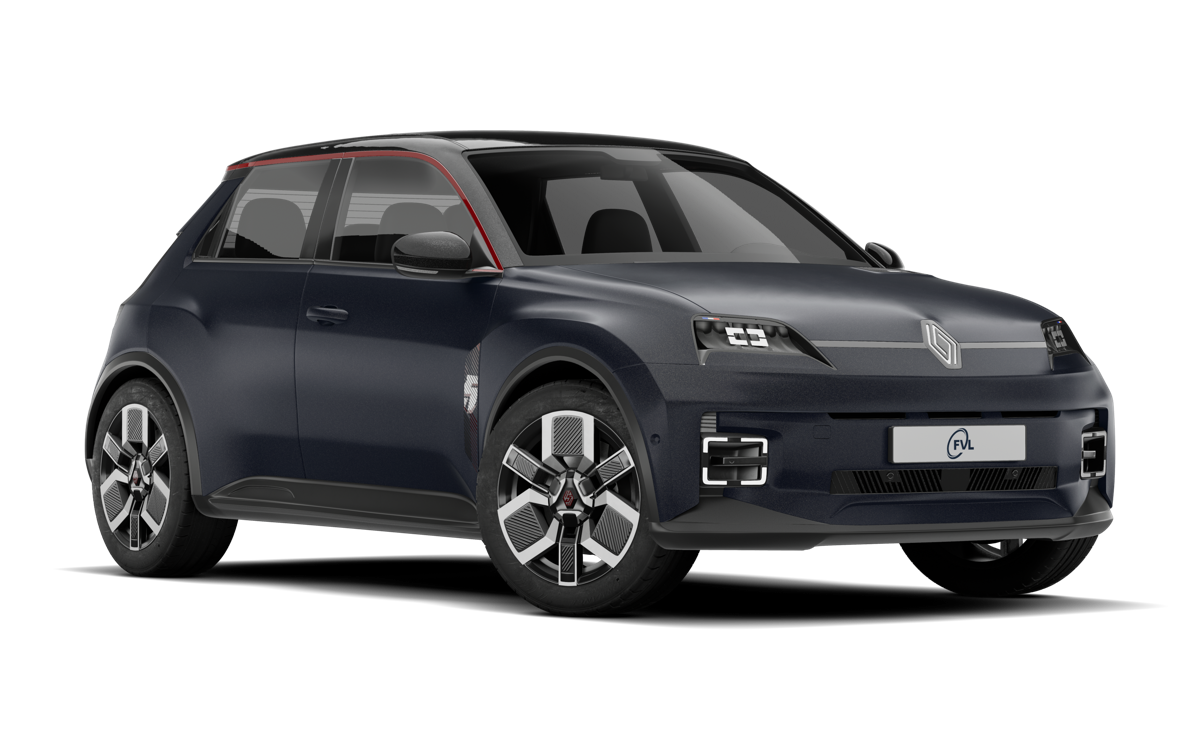
The Renault 5 for town and suburban driving, the Kia EV3 if you want a compact SUV, and the Tesla Model Y for families covering longer distances.
Plug-in hybrid
The Kia Sportage and Volkswagen Tiguan eHybrid are family SUVs that run on electric power for the daily commute, with petrol for long journeys.
Full hybrid
The Toyota Yaris is a small car with low CO2 and no plug needed. The Nissan Qashqai e-Power uses its petrol engine only to charge the battery, and the electric motor drives the wheels.


How Should You Choose a Low-CO2 Car?
Start with how and where you drive, not the badge on the bonnet. If you can charge at home and you're a company car driver or on salary sacrifice, an electric car almost always wins on tax. If charging at home is difficult, or you drive long motorway distances, a full hybrid is usually the safer choice.
- Can you charge at home or work? If yes, an EV like the Kia EV3 is worth serious thought. If not, look at full hybrids.
- Is it a company car? The difference between 4% and 30% or more in BIK will outweigh most other costs.
- Will your contract run past 5 April 2028? Plug-in hybrid BIK moves to a flat 18% and eVED starts, so work out the costs for the whole term.
- Is the list price close to £40,000 (or £50,000 for an EV)? A lower-spec version could avoid the £440 Expensive Car Supplement.
- Do you drive a lot of miles? eVED goes up with mileage, but at 3p a mile it's still usually cheaper than fuel duty for the same distance.
You'll find more in our electric and hybrid leasing guides.


Why Lease a Low-Emission Car Rather Than Buy?
With a lease, you don't carry the risk on what the car is worth at the end. Used EV values have gone up and down a lot in recent years, and if the car is worth less than forecast when you hand it back, that's the funder's problem, not yours. Your rental covers the gap between what the car costs and its forecast value at the end of the term, plus interest charges.
First Vehicle Leasing has been arranging leases for over 25 years. We're authorised and regulated by the FCA and a member of the BVRLA. Because we buy in volume, the starting cost of the car is lower, while its forecast end value stays the same. Buying can still work out better if you keep a car for many years, and we'll tell you honestly if that's the case for you.
Cars in this article


Related guides
Business Van Leasing Explained: Tax, VAT and CostsElectric Car Salary Sacrifice Explained | UK Tax & SavingsAutomatic vs Manual for Leasing: What Actually ChangesShould I Lease or Buy an Electric Car?View all guidesFrequently Asked Questions
Ready to Cut Your CO2 and Your Tax?
Browse our current electric and hybrid lease offers, or speak to the First Vehicle Leasing team on 0333 003 3325 for honest advice on the right low-emission car for how you drive.
Browse Electric Car DealsSources
- Greenhouse gas emissions from transport in 2024 - Department for Transport, GOV.UK
- Work out the appropriate percentage for company car benefits (480: Appendix 2) - HMRC, GOV.UK
- ZEV mandate: 33% of new cars must be electric this year - What Car?
Written by Andy Bell, First Vehicle Leasing.