
Wheelchair accessible vehicle leasing looks different in 2026. Factory-built electric WAVs are now on sale, van-based MPVs feel more like cars than ever, and the HMRC and DVLA tax reliefs still apply if you qualify. First Vehicle Leasing has helped drivers find the right vehicle for over 25 years. This is where we'd start.
Key Takeaways
- The LEVC TX Access is a specialist taxi-based vehicle that LEVC sells through its own channels. It isn't in our range, but there are several good current alternatives.
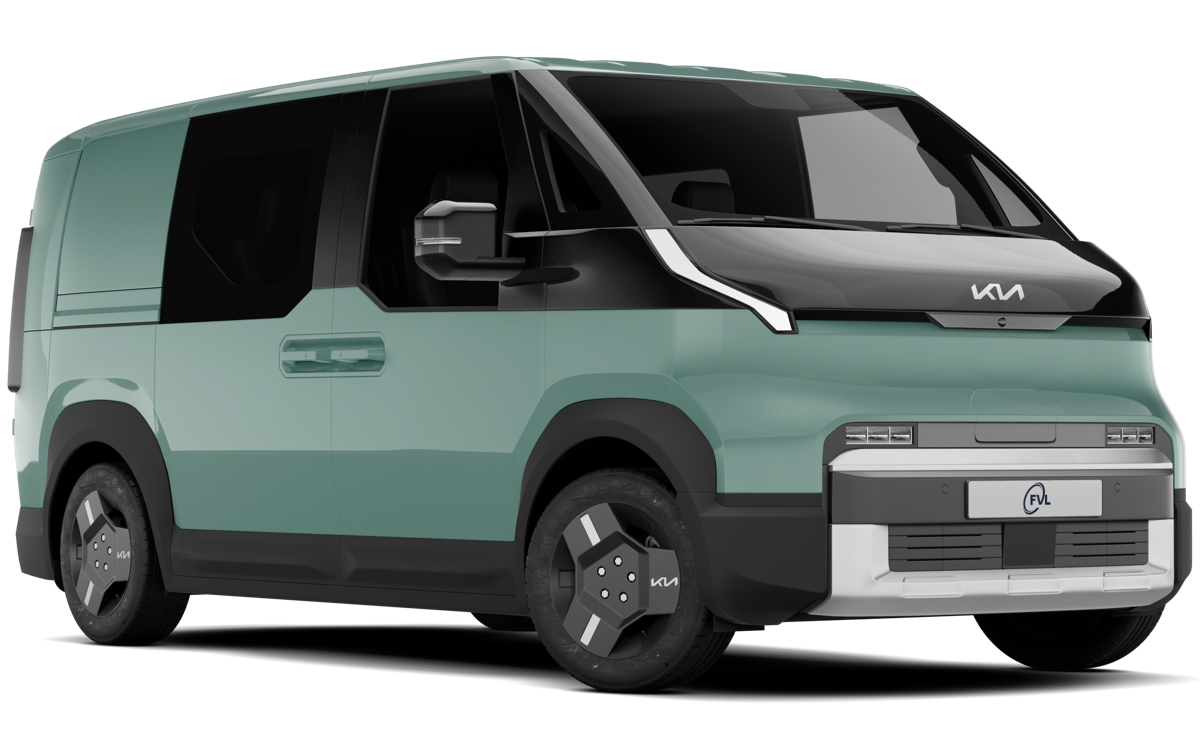
- The Kia PV5 is the main 2026 option. Kia builds a side-entry WAV version itself with a 300kg-rated ramp, and approved converters offer rear-entry versions.
- Van-based MPVs such as the Volkswagen Caddy Maxi, Ford Grand Tourneo Connect and Citroën Berlingo are still the most common bases for WAV conversions.
- Under HMRC's VAT Notice 1002, a substantially and permanently adapted vehicle can be zero-rated for someone who normally uses a wheelchair. The relief is limited to one vehicle every three years.
- The enhanced rate of PIP mobility (or an equivalent award) can mean you pay no vehicle tax. The standard rate gives 50% off. Either way, it applies to one vehicle at a time.
Is the LEVC TX Access Still an Option to Lease?
LEVC still sells the TX Access, a wheelchair accessible version of its TX taxi. It's aimed mainly at healthcare, care homes and visitor transport, and it's sold through LEVC's own channels rather than a vehicle we lease. For private drivers and families, mainstream MPVs and factory-built WAVs are the more practical choice in 2026.
The TX Access is clever. It has a ramp that folds into the floor, a swivel seat and a petrol range-extender engine behind roughly 78 miles of electric range. At heart, though, it's a hackney carriage (a licensed black cab) with a partition screen and a taxi-style cabin. That suits a care home shuttle better than a family.
What Is a Wheelchair Accessible Vehicle (WAV)?
A wheelchair accessible vehicle (WAV) lets a wheelchair user travel while sitting in their own chair. It usually has a lowered floor or raised roof, a ramp or powered lift, and restraints that lock the chair in place. You get in either through the rear tailgate or through a side sliding door.
Rear-entry is the most common type of conversion and usually the cheapest. The downside is that the wheelchair user often sits behind the other passengers. Side-entry lets them board from the kerb and sit alongside everyone else, but it needs a bigger vehicle. If the user can move into a car seat and fold the chair into the boot, you may not need a WAV at all. We cover that option further down.


Which Vehicles Make the Best WAVs in 2026?
The best starting points in 2026 are tall, boxy MPVs with sliding side doors and flat floors. The Kia PV5 comes first because Kia builds a WAV version itself. Behind it are proven van-based MPVs like the Volkswagen Caddy Maxi, Ford Grand Tourneo Connect, Citroën Berlingo and Peugeot Rifter, plus larger people carriers for bigger chairs.
| Vehicle | Size | Why it suits accessible use |
|---|---|---|
| Kia PV5 | Medium, electric | Kia builds a side-entry WAV version itself; flat electric-car floor |
| Volkswagen Caddy Maxi | Compact, long wheelbase | Long floor; a popular base for rear-entry conversions |
| Ford Grand Tourneo Connect | Compact, long wheelbase | Sliding doors on both sides and flexible seating |
| Citroën Berlingo | Compact MPV | Tall roofline and wide side door openings |
| Peugeot Rifter | Compact MPV | Built on the same base as the Berlingo, with different styling and trims |
| Mercedes-Benz V-Class | Large MPV | Room for powerchairs and several passengers |
| Volkswagen Multivan | Large MPV | Big cabin; suits care providers and larger families |
Kia PV5: The Factory-Built Choice
Kia's PV5 WAV Side Entry is built through its own factory conversion programme. It has a reinforced floor, built-in wheelchair anchor points and a 300kg-rated ramp, so there's no aftermarket conversion involved. It made its European debut at Motability Scheme Live in Birmingham in May 2026. Kia's approved converter GM Coachwork also offers three rear-entry PV5 WAV conversions. The standard PV5 passenger model comes with a 51.5kWh or 71.2kWh battery, giving 183 or 256 miles on the WLTP official test. WAV versions are heavier, so check the range quoted for your exact spec. The PV5 is in our range, but WAV specs available on contract hire change, so talk to us before you settle on a particular one.
Van-Based MPVs: The Proven Route
Most rear-entry WAVs on UK roads started life as a Caddy Maxi, Grand Tourneo Connect, Berlingo or something similar. The converter lowers the floor behind the rear axle and fits a ramp. They're easy to drive, fit in a normal parking space, and specialist garages know them well. Ask the converter to confirm door height and floor length against your own chair's measurements.


What If the Driver Transfers From a Wheelchair?
If you can move from your wheelchair into a car seat and stow the chair, a standard car is often the better choice. Look for a higher seat, wide-opening doors and an automatic gearbox. It will usually cost less to lease than a converted WAV, and a specialist can fit hand controls, a swivel seat or a boot hoist.
A useful test: the seat base should be roughly level with your hip when you stand beside the car. The Honda Jazz, Kia Niro and Skoda Karoq are all worth sitting in. On a lease, the finance company (the funder) owns the car, so you need its permission before any adaptation is fitted. Agree in advance whether the adaptation stays in the car or comes out at the end. Always tell your insurer about adaptations. If you need adapted controls, the DVLA may add a restriction code to your licence, and you must tell the DVLA about any medical condition that affects your driving.


Will I be approved?
Five questions, no sign-up, and an honest answer before you apply for anything.
Check my eligibilityShould You Use Motability or a Private Lease?
If you get a qualifying mobility allowance, the Motability Scheme is usually the first place to look. You exchange your allowance for a vehicle, and insurance and servicing are bundled in. Personal Contract Hire (PCH), where you rent a vehicle for a fixed term and hand it back at the end, makes more sense in other situations:
- you don't receive a qualifying allowance
- you want a model or spec that isn't on the scheme
- your household needs a second vehicle
- you'd rather keep your allowance for other costs.
What Tax Reliefs Apply to Accessible Vehicles in 2026?
Three reliefs matter. HMRC can zero-rate VAT on a substantially and permanently adapted vehicle for someone who normally uses a wheelchair. The DVLA gives free vehicle tax to people on the enhanced rate of PIP mobility or an equivalent award, and 50% off with the standard rate. Company car drivers also get Benefit in Kind (BIK) concessions.
VAT relief
According to HMRC's VAT Notice 1002, the relief covers one qualifying vehicle every three years. Minor adaptations only zero-rate the cost of the adaptation, not the vehicle itself. As an illustration, a vehicle priced at £48,000 including VAT contains £8,000 of VAT. Whether the relief can be passed through a particular contract hire agreement depends on the funder, so get it confirmed in writing before you order.
Vehicle tax
Under GOV.UK and DVLA rules, you pay no vehicle tax if you get the enhanced rate mobility component of Personal Independence Payment (PIP) or Adult Disability Payment (ADP), or the higher rate mobility component of Disability Living Allowance (DLA). The standard rate of PIP or ADP mobility gives 50% off. It covers one vehicle at a time, which must be registered in the disabled person's name or their nominated driver's name. Ask us whose name will appear on the V5C log book.
Company cars
HMRC's EIM23650 guidance says equipment that lets a disabled employee use the car can be left out of the BIK calculation. If the car is adapted and used only for business travel and commuting, no car benefit charge applies at all. Electric company cars are taxed at 4% BIK in 2026/27. For example, a £40,000 EV × 4% × 20% tax = £320 a year. Salary sacrifice can cut the cost further.
How Should You Choose an Accessible Lease Vehicle?
Start with the person, not the vehicle. Measure the wheelchair and the user's seated head height, decide who will drive, and work out whether rear or side entry suits where you park. Then shortlist two or three vehicles, arrange a trial with a converter, and only then compare lease deals on the same mileage and term.
- Measurements: seated height including head clearance, the chair's length and width, and the combined weight of chair and user. Check that combined weight against the ramp's rating.
- Parking: rear-entry needs space behind the vehicle; side-entry needs a kerb or level ground.
- Driver: a carer, the user driving from their chair, or the user moving into a seat.
- Charging: a home charger makes an electric WAV far easier to live with.
- Mileage: set a realistic annual figure, because you'll pay excess mileage charges if you go over it.
- Handback: know the end-of-contract and fair wear and tear rules before you sign.
In practice, it breaks down like this. If the user travels in their chair as a passenger, look at a rear-entry Caddy Maxi or Berlingo conversion, or the PV5. If there's a powerchair and several passengers, a V-Class or Multivan makes sense. If the user can move into a seat, go for a car with high seats and fit adaptations. And if you're worried about your credit history, see our guide to bad credit leasing.
How Does First Vehicle Leasing Help?
First Vehicle Leasing is authorised and regulated by the FCA and is a BVRLA member. With contract hire, you pay the gap between the vehicle's cost and its expected value at the end of the term, plus interest charges. Because we buy in volume, the starting cost is lower while the end value stays the same, which narrows that gap. The funder, not you, also takes the risk of the vehicle being worth less than forecast.
Our leasing experts recommend calling us before you commit to a conversion. We can check whether that spec can be sourced on contract hire and which funders will agree to adaptations.
Cars in this article


Related guides
Losing Your Job During a Lease: Your OptionsBusiness Van Leasing Explained: Tax, VAT and CostsPersonal vs Business Lease: Which Is Right for You?Electric Car Salary Sacrifice Explained | UK Tax & SavingsView all guidesFrequently Asked Questions
Ready to Find Your Accessible Vehicle?
Speak to First Vehicle Leasing on 0333 003 3325 or contact our team online. We'll check which specs can be sourced and which funders will agree to your adaptations.
Sources
Written by Andy Bell, First Vehicle Leasing.