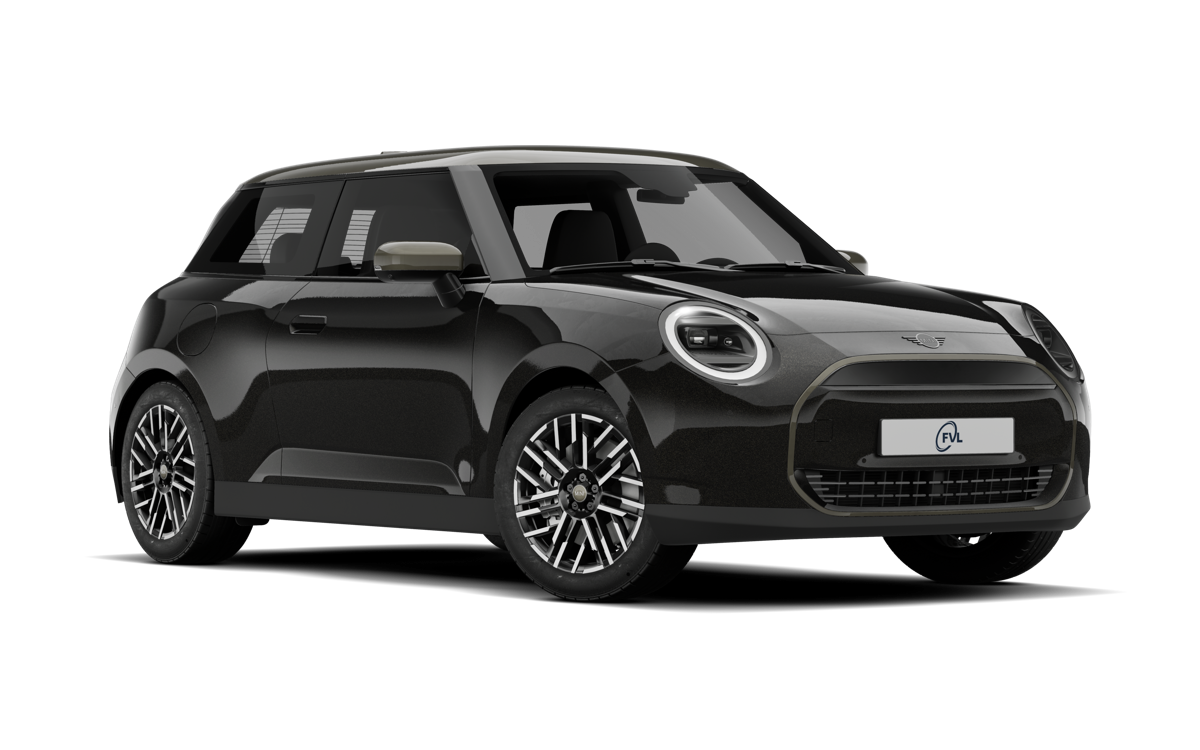

In 2026 the Mini Cooper is still one of the most searched-for small cars in the UK. You can have it as a petrol hatchback built in Oxford or as an all-electric model with up to 250 miles of official range. At First Vehicle Leasing we've spent over 25 years helping drivers choose the right car, so this review covers the specs, the trims, the running costs and how to lease a Cooper without paying for things you won't use.
Key Takeaways
- There are three petrol versions: the Cooper C (1.5-litre, 156PS), the Cooper S (2.0-litre, 204PS) and the John Cooper Works (JCW, 231PS). The electric Cooper E manages up to 190 miles and the Cooper SE up to 250 miles (WLTP).
- Every version comes in Classic, Exclusive or Sport trim, and you can add optional Level 1, 2 and 3 packs. Level 3 is only offered on Exclusive and Sport.
- UK list prices start at £24,735 for the petrol One Classic and £26,905 for the Cooper E Classic (September 2026).
- If you have a company car, the electric Cooper is taxed at a 4% Benefit in Kind (BIK) rate in 2026/27. A petrol Cooper C at 133g/km CO2 is taxed at 32%.
- The electric Cooper is built in China and doesn't currently qualify for the government's Electric Car Grant. The Countryman Electric does.


What Is the 2026 Mini Cooper?
The 2026 Mini Cooper is Mini's main hatchback, sold as a three-door, a five-door or a Convertible. The petrol versions are built at Oxford on a heavily reworked version of the previous car. The Cooper Electric uses its own dedicated EV platform and is built in China. From the outside the two look almost the same, and both get the round OLED touchscreen.
BMW had planned to start building electric Minis at Oxford in 2026. That work has been paused, so for now the plant builds petrol cars only. It matters for tax, as you'll see below. Under the badges you'll find One, C, S and JCW for the petrol cars, and E, SE and JCW Electric for the electric ones. There are also Monochrome and Paul Smith special editions if you want something a little different.
What Engines and Specs Does the Mini Cooper Have?
The petrol Cooper C uses a 1.5-litre three-cylinder turbo engine and the Cooper S a 2.0-litre four-cylinder, both driving through a seven-speed dual-clutch automatic gearbox. On the electric side, the Cooper E has a 40.7kWh battery and the SE a 54.2kWh battery. That gives WLTP ranges of up to 190 and 250 miles.
| Version | Power | 0-62mph | Official economy / range | List price from (Classic) |
|---|---|---|---|---|
| Cooper C (1.5 petrol) | 156PS | 7.7 sec | 47.9mpg | £25,485 |
| Cooper S (2.0 petrol) | 204PS | 6.6 sec | 45.6mpg | £28,535 |
| JCW (2.0 petrol) | 231PS | 6.1 sec | 43.5mpg | Around £34,000 |
| Cooper E (40.7kWh) | 135kW (184hp) | 7.3 sec | Up to 190 miles | £26,905 |
| Cooper SE (54.2kWh) | 160kW (218hp) | 6.7 sec | Up to 250 miles | £29,905 |
Mini quotes 10-80% rapid charging in about 28 minutes for the Cooper E and 30 minutes for the SE. On an 11kW home wallbox, a full charge takes around 4.5 hours for the E and 5.25 hours for the SE. You'll get less than the official range in real driving, especially in winter, so plan around roughly three-quarters of the WLTP figure. Reviewers at What Car? rate the Cooper C as the pick of the petrol range, and we'd agree it's all the engine most drivers need.
Which Mini Cooper Trim Level Should You Choose?
For most drivers, Classic is the one to go for. There are three trims: Classic, Exclusive and Sport. Exclusive adds about £2,200 to the list price and Sport about £3,500, but the differences between them are mostly about looks. The Level packs add most of the useful equipment, and they're available on every trim.
Classic
Comes with the 9.4-inch round touchscreen with Apple CarPlay and Android Auto, air conditioning and a heated steering wheel. It's the best value.
Exclusive
Adds smarter exterior and interior design details and different trim finishes. Choose it if you like the look, because it doesn't add much practical kit.
Sport
Has JCW-inspired styling. On petrol cars it also gets a sportier version of the automatic gearbox with paddles behind the steering wheel.
Are the Level Packs Worth Adding on a Lease?
Level 1 costs around £2,000 and adds comfort access (the doors unlock as you walk up to the car), and it's the pack most drivers are glad they chose. Level 2 adds more comfort and convenience equipment. Level 3 brings adaptive cruise control, 360-degree cameras and electric massage front seats, and you can only get it on Exclusive and Sport. Every pack raises the list price. Options rarely hold their value in full when the car is sold on, so a big pack can put more on your monthly rental than you'd expect. Our leasing experts usually suggest Classic with Level 1.
How Does the Mini Cooper Drive?
The Mini Cooper is still one of the most fun small cars on sale. It turns into corners quickly and the steering is sharp, though the ride is firm on broken roads. Reviewers generally prefer the Cooper C to the JCW. The electric versions are a bit heavier but feel just as eager.
Space is the compromise. The rear seats in the three-door suit children or short trips, and the boot holds about 210 litres. So is the five-door worth roughly £1,000 more? If you carry passengers every week, yes. If you rarely use the back seats, stick with the three-door, which looks better and is easier to park.
Will I be approved?
Five questions, no sign-up, and an honest answer before you apply for anything.
Check my eligibilityIs the Petrol or Electric Mini Cooper Cheaper to Run?
For company car drivers, the electric Cooper is far cheaper. HMRC's published rates set BIK at 4% for electric cars in 2026/27, against 32% for a Cooper C emitting 133g/km. For private drivers the gap is smaller, because the list prices are close: £26,905 for the Cooper E Classic against £25,485 for the Cooper C Classic.
| 2026/27 running cost | Cooper C Classic (petrol) | Cooper E Classic (electric) |
|---|---|---|
| BIK rate | 32% (133g/km) | 4% |
| Illustrative annual BIK tax, 20% / 40% taxpayer | £1,632 / £3,264 | £216 / £432 |
| Vehicle tax (VED) from year two | £200 a year | £200 a year |
| Future BIK rates | Linked to CO2 (petrol cars range from roughly 15% to 37%) | 5% in 2027/28, 7% in 2028/29, 9% in 2029/30 |
How the example works: the figures use illustrative round list prices of £25,500 for the petrol car and £27,000 for the electric one. £25,500 × 32% = £8,160 taxable benefit. £27,000 × 4% = £1,080. You then pay income tax on that benefit at your own rate. You can check the current bands in GOV.UK's company car tax guidance.
Electric cars have paid vehicle tax since April 2025: £10 in the first year and then the £200 standard rate. The Expensive Car Supplement adds £440 a year on cars listed at more than £40,000 (petrol) or more than £50,000 (electric). The DVLA uses the list price including factory options, but almost every Cooper comes in below both limits. See the GOV.UK vehicle tax rate tables for the details. If your employer offers it, salary sacrifice can make the Cooper E a lot cheaper to run, because the rental comes out of your pay before tax.
Why Lease a Mini Cooper Rather Than Buy One?
A lease rental covers the gap between what the car costs and what it's forecast to be worth at the end of the term, plus interest charges. Minis are expected to keep their value well, which keeps that gap small, and that's why the Cooper often leases well for a premium small car.
We buy cars in volume, so the funder starts from a lower cost. The forecast value at the end of the lease (the residual value) is set against the car itself, not against the discount. If the car is worth less than forecast when you hand it back, the funder takes that loss, not you. Buying can still work out cheaper if you plan to keep a car for many years. If you like to change cars every two to four years, though, a lease is hard to beat.
What Are the Best Alternatives to the Mini Cooper?
If the Cooper is too small, Mini's own Aceman and Countryman are the obvious next step up. For a rival with just as much character, look at the electric Renault 5 or the Peugeot 208, which comes as a petrol, hybrid or electric car.
The Aceman is an electric-only crossover with five doors and a bit more room in the back. The Countryman is the family-sized Mini, and the Countryman Electric is on the government's Electric Car Grant list. That grant is a discount off the car's price, and on a lease it can bring the rentals down.


The Renault 5 goes up against the Cooper E on retro style and price. The Peugeot 208 is the more practical all-rounder if you'd like more choice of fuel types.


How Do You Choose the Right Mini Cooper Lease?
Start with how you'll actually use the car: your yearly mileage, whether you can charge at home, and who travels in the back. Then pick the engine, trim and lease terms to suit. Based on FVL's experience, drivers who make these decisions first end up with a better-fitting deal than those who start from the badge.
- Company car or salary sacrifice driver? Choose the Cooper E or SE. The 4% BIK rate is the deciding factor.
- Mostly town driving with a home charger? The Cooper E is enough. If you do regular motorway trips, go for the SE or the petrol Cooper C.
- Carry passengers weekly? Choose the five-door, or look at the Aceman.
- Spec: Classic with Level 1 makes sense unless you really want the Sport look.
- Mileage: set it honestly. Excess mileage charges at the end usually cost more than choosing a higher allowance at the start.
- Initial rental: this is the upfront amount, usually 1, 3, 6 or 9 months' rental. Paying more upfront lowers the monthly rental but doesn't make the car any cheaper overall.
You can lease as a private driver on Personal Contract Hire (PCH) or through a business on Business Contract Hire (BCH). With both, the funder keeps ownership of the car and is recorded as the owner with the DVLA. When you hand it back, it's inspected against the BVRLA fair wear and tear standard, which our end of contract guides explain. FVL is authorised and regulated by the FCA and follows the FCA's Consumer Duty rules, so the costs should be set out clearly before you sign.
Ready to Lease Your Mini Cooper?
First Vehicle Leasing can price any Cooper, from a Cooper C Classic to an SE with Level 3, on the term and mileage you need. See the latest deals on the model page, or call our team on 0333 003 3325 for straight advice on trim, packs and charging.
Cars in this article


Related guides
Personal vs Business Lease: Which Is Right for You?How to End a Car Lease Early (And What It Costs)Company Car vs Car Allowance: Which Is Better?Business Van Leasing Explained: Tax, VAT and CostsView all guidesFrequently Asked Questions
Sources
- Mini Cooper review - What Car?
- Tax on company benefits: company cars - GOV.UK
- Vehicle tax rate tables - GOV.UK
Written by Andy Bell, First Vehicle Leasing.