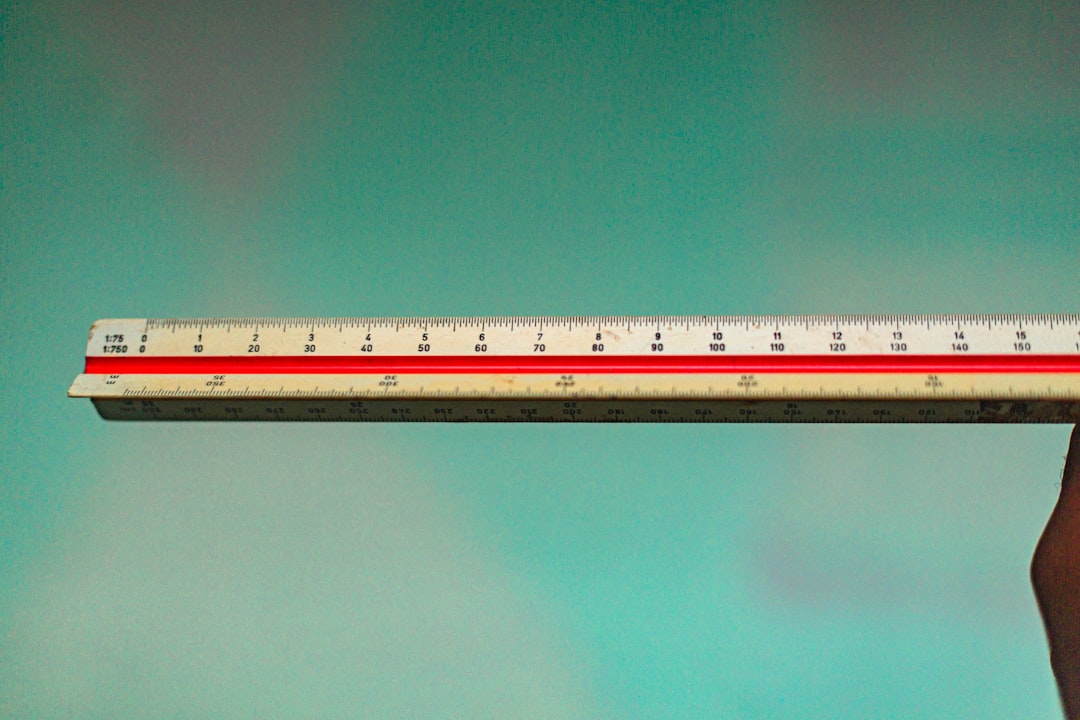
Fair wear and tear is the natural deterioration a car picks up through normal use. Under the BVRLA Fair Wear and Tear Standard, light scratches of 25mm or less, dents of less than 15mm with unbroken paint and stone chips of 3mm or less are normally acceptable. Impact damage, broken paint and missing items are chargeable.
What's in this guide
- What counts as acceptable vs chargeable?
- Paintwork, dents and scratches: the exact limits
- Wheels, tyres and glass standards
- Interior, keys, cables and paperwork
- What is always chargeable, whatever the size?
- How are damage charges worked out?
- How do I check my car against the standard?
- Should I repair the damage or take the charge?
- Frequently Asked Questions
Key Takeaways
- Scratches and abrasions of 25mm or less are acceptable (maximum four per panel) provided primer or bare metal isn't showing.
- Dents of less than 15mm in diameter are acceptable, maximum two per panel, provided the paint surface isn't broken. Dents on the roof or on a swage line are never acceptable.
- Stone chips of 3mm or less are acceptable if they haven't rusted - but more than four on any panel, six per door edge or eight on a forward-facing panel is excessive.
- Alloy scuffs up to 50mm of the total wheel rim circumference are acceptable; damage to spokes, the hub or the tyre sidewall is not.
- Missing keys, missing EV charging cables, gaps in the service history and smoke or pet odours are chargeable regardless of how the car looks.
What counts as acceptable vs chargeable?
Acceptable is anything that comes from ordinary use and sits inside the published size limits: light scratches, tiny stone chips, small unbroken dents, minor alloy scuffing, faded and slightly creased seats. Chargeable is damage from an event or from neglect - impacts, broken paint, cracked glass, tears, burns, missing items and anything over the size limits.
That's the whole distinction, and the British Vehicle Rental and Leasing Association (BVRLA) - the UK trade body for vehicle rental, leasing and fleet management - puts it plainly. Fair wear and tear is deterioration caused by normal usage. Damage is what results from a specific event or series of events: an impact, harsh treatment, poorly stowed items, or something you failed to do. A car returned after three years and 30,000 miles is expected to look like a car that has done three years and 30,000 miles.
The inspector isn't grading your car against a showroom example. They're grading it against the standard, and the standard is measurable.
| Area | Acceptable (no charge) | Chargeable |
|---|---|---|
| Scratches | 25mm or less, max four per panel, primer/bare metal not showing | Over 25mm, more than four per panel, or through to primer or metal |
| Dents | Less than 15mm, max two per panel, paint unbroken | 15mm or larger, three or more per panel, any dent on the roof or a swage line |
| Stone chips | 3mm or less, not rusted | Rusted chips, or more than four per panel / six per door edge / eight on a forward-facing panel |
| Alloy wheels | Scuffs up to 50mm of the total rim circumference | Scuffs over 50mm, dents, cracks, corrosion, damage to spokes or hub |
| Tyres | Legal tread and correct manufacturer specification | Below 1.6mm tread, sidewall damage, uneven wear, wrong speed rating |
| Glass | Light scratching under 10mm outside the driver's line of sight; MOT-passable | Chips or cracks that would fail an MOT, or anything in the driver's line of sight |
| Interior | Light creasing, fading, normal wear to controls | Burns, tears, holes, stains, odours, missing headrests or parcel shelf |
Paintwork, dents and scratches: the exact limits
Scratches of 25mm or less are acceptable, up to four per panel, as long as they haven't gone through to primer or bare metal. Dents of less than 15mm in diameter are acceptable, maximum two per panel, provided the paint surface isn't broken. Stone chips of 3mm or less are fine if they haven't rusted.
Two rules trip people up more than any other. First, the roof and the swage line - the styling crease that runs along the flank of most cars - are excluded entirely. A dent there is chargeable at any size, because straightening a panel crease means repainting the panel. Second, broken paint changes everything. A 10mm dent that has cracked the lacquer is no longer a 10mm dent within tolerance; it's damage, because it can't be pushed out without refinishing.
How many chips are too many?
Chips are judged on volume as well as size. More than four chips on any panel, more than six along a door edge, or more than eight on a forward-facing panel (the bonnet and front bumper take the worst of motorway grit) is treated as excessive chipping and the panel is refinished at your cost. A car that has done 25,000 motorway miles a year will pick these up. If yours is peppered, get it looked at before collection rather than hoping.
Rust anywhere on a painted surface is chargeable, and so is a previous repair that's obviously a repair - poor colour match, visible masking lines, ripples, overspray. Repairs are perfectly acceptable under the standard, but only where the work was done to a professional standard by a repairer who warrants it. A touch-up pen dragged across a 40mm scratch usually costs more to put right than the scratch would have.
The 25mm test you can do in your driveway
A pound coin measures a shade under 23mm across. Hold one against a scratch: if the mark is comfortably shorter than the coin's diameter and you can't feel it catch a fingernail, it's very likely inside the 25mm scratch limit. If your nail catches, the paint is broken and the size stops mattering.
It's rough and ready, but it's the check our team suggests when a customer rings up worried about a mark. For anything borderline, photograph it with a ruler alongside and ask us before collection day.
Wheels, tyres and glass standards
Alloy wheel scuffs are acceptable up to 50mm of the total rim circumference. Damage to the spokes, the wheel hub or the tyre sidewall is not, and neither is corrosion. Tyres must meet the UK legal minimum of 1.6mm tread and match the manufacturer's specification for type, size and speed rating - including the spare.
Kerbed alloys are the single most common chargeable item we see, and they're the easiest to sort. Mobile alloy refurbishment is straightforward, and the cost of putting one wheel right yourself is generally well below what a funder charges to refurbish it after collection.
On tyres, the legal requirement under UK road traffic law is 1.6mm across the central three-quarters of the tread and around the entire circumference. Meeting the legal minimum on collection day is enough - you aren't required to fit new tyres. But two things will catch you: uneven wear, which suggests neglected geometry and can mean paying for a pair rather than one, and budget replacements that don't match the original speed rating. Replace like for like.
Glass has to be in a condition capable of passing an MOT. Light scratching of less than 10mm is acceptable provided it doesn't sit in the driver's line of sight. A windscreen chip that's spreading, or any chip in the swept area directly ahead of the driver, will be charged - and if you have glass cover on your insurance, having it repaired is usually the cheaper route. Lamp lenses can carry minor scuffs, but holes, cracks or water ingress are not acceptable and all lights must work.
Interior, keys, cables and paperwork
The interior must be clean and odourless, with no burns, tears, holes or staining to seats, trim, headlining or carpets. Light creasing, fading and normal wear to switches and controls are acceptable. Every key, the service history, the handbook, EV charging cables and all original equipment must come back with the car.
This is where costs appear from nowhere, because none of it is visible when you walk round the car. A missing second key can be one of the larger single charges on a return report - a replacement smart key plus programming is not cheap on a modern car, and the funder charges you for it. Same with a missing EV charging cable, a lost parcel shelf, a boot floor, a locking wheel nut key or the tyre inflation kit.
Smoke and pet odours are treated as damage, not wear. So are stains and any damage from removing a phone cradle or dash mount. And missed services matter: if the schedule says every 12 months or 10,000 miles, whichever comes first, the record needs to show that - the Financial Ombudsman has upheld charges where a driver couldn't evidence services at the point of return, even though they'd been done. Get the stamps or the digital record sorted before collection, not after.
One more, easy to forget: remove your personal data. Wipe stored addresses from the sat nav, unpair your phone and log out of any connected car app or account before you hand the keys over.
What is always chargeable, whatever the size?
Some items fall outside the tolerances entirely - size and count don't apply. Roof and swage line dents, rust or corrosion on any painted area, broken paint through to primer or metal, cracked or missing mirrors, sidewall damage, holed lamp lenses, interior burns or tears, odours, missing keys and missing equipment are chargeable however minor they look.
Livery and wraps
Badges, stickers, logos and advertising livery must be removed professionally, with no paint damage and no colour shadowing left behind. Full wraps are typically charged at the funder's hourly rate for removal.
Unapproved fittings
Tow bars, roof bars and aftermarket modifications need written approval from the leasing company. Anything fitted without it, and any damage caused by fitting or removal, comes back to you.
Warning lights
The car must be roadworthy and legal with no dashboard warning lights showing, and all driver assistance systems working. Some funders abandon the collection and charge for a wasted journey.
How are damage charges worked out?
Your funder inspects the vehicle at collection or shortly afterwards, records every fault with photographs, and prices anything outside the standard against its published damage charge matrix. You receive a vehicle condition report. Charges reflect the loss in value to the funder, not a penalty, and are typically invoiced within about four weeks.
Most funders publish that matrix - a table listing each fault type, the BVRLA tolerance it's judged against, the repair method and a fixed price per panel, per wheel or per item. Ask your funder for theirs before the car goes back, because it tells you exactly what a given fault will cost and whether it's worth pre-empting. Prices vary between funders, which is why we don't quote a single figure for, say, a refinished panel; the honest answer is that it depends on your agreement.
You are entitled to see the evidence. If you disagree with a charge, ask for the dated photographs and the inspection report, and challenge it in writing. If the funder is a BVRLA member and you can't reach agreement, the association operates a conciliation service for consumer disputes. Beyond that, regulated agreements can be escalated to the Financial Ombudsman Service. Ombudsman decisions in this area tend to follow the BVRLA standard closely - a scratch measured over 25mm in the photographs is a fair charge; a dent through the swage line is a fair charge - so the argument is usually about evidence, not about the rules.
Being present at collection helps enormously. Sign nothing you haven't read, take your own photographs of every panel and the odometer, and keep them.
How do I check my car against the standard?
Do it about 10 to 12 weeks before your contract ends - that's the window the BVRLA itself suggests, and it leaves time to book repairs without paying express rates. Wash and dry the car, park it outside in daylight, and work round it panel by panel with a tape measure and your phone camera.
Pre-return checklist
- Wash and dry the car fully. Water beading hides scratches and a wet inspection is worthless.
- Check every panel individually, including the roof, boot lid, sills and the swage lines.
- Measure anything borderline: 25mm for scratches, 15mm for dents, 3mm for chips.
- Count chips per panel - four is the ceiling, six on a door edge, eight on forward-facing panels.
- Inspect all four alloys plus the spare against the 50mm scuff limit; look at spokes and hubs too.
- Check tread depth on all tyres including the spare, and look for uneven wear across the tread.
- Sit in the car and check glass, all lights, ADAS features, air conditioning and every switch.
- Vacuum and deodorise the interior; check seats, carpets and boot lining for burns and tears.
- Gather both keys, the service record, handbook, locking wheel nut key, parcel shelf, load cover, tyre kit and - on an EV or plug-in hybrid - every charging cable.
- Confirm servicing is up to date and evidenced, and clear your personal data from the infotainment system.
Ask someone else to look as well. In our experience customers stop seeing marks they've driven past for three years, and a fresh pair of eyes finds them in about ninety seconds. The full walk-through sits in our step-by-step lease return guide.
Should I repair the damage or take the charge?
Compare the repair quote with the figure on your funder's damage charge matrix and pick the cheaper one. For alloy scuffs, small dents with intact paint and single scratches, arranging your own repair almost always wins. For damage needing a full panel refinish, the gap narrows and it's worth pricing both routes properly.
| Situation | What we'd suggest |
|---|---|
| Kerbed alloy beyond the 50mm scuff limit | Repair. Mobile refurbishment is quick and typically undercuts the funder's charge. |
| Dent under 15mm but with broken paint | Get a smart repair quote. Paintless dent removal won't help once the paint is broken. |
| One scratch a little over 25mm | Smart repair, using a repairer who warrants the work. A DIY touch-up often costs more to correct. |
| Chips well over the count limits on the bonnet | Price a panel refinish against the matrix figure - this one genuinely can go either way. |
| Missing key, cable or parcel shelf | Source it yourself. Funder replacement pricing on these items is rarely generous. |
| Windscreen chip | Claim on your insurance glass cover if you have it - often nil or a small excess. |
| Damage from a collision or third party | Insurance claim, repaired through an approved bodyshop with warranty documentation. |
Whichever route you take, keep the invoices and warranty paperwork. Repaired damage is acceptable under the standard when the work was done professionally, and the paperwork is what proves it.
There is one other option worth knowing about: if the car is in poor shape and you'd rather not hand it back at all, some funders will sell it to you or to a third party. That's covered in our guide on buying your car at the end of a lease, alongside the wider options at the end of your agreement.
Not sure whether a mark will be charged?
Send us a photo with something for scale and we'll tell you honestly how it's likely to be assessed - including when the answer is "that will be charged, get it repaired". Our team has handled end-of-contract returns for over 25 years, and we'd far rather you spent £100 on a smart repair than opened an unexpected invoice.
When you're ready for the next car, we'll line the delivery up with your collection date so you're never without a vehicle. Call 0333 003 3325.
Frequently Asked Questions
Sources
- Fair Wear and Tear guidance and standards - British Vehicle Rental and Leasing Association
- Tyre safety and the law - GOV.UK
- BVRLA member standards and conciliation service - British Vehicle Rental and Leasing Association
Written by the team at First Vehicle Leasing, a UK vehicle leasing broker with over 25 years' experience arranging personal and business contract hire. FVL is authorised and regulated by the Financial Conduct Authority and is a member of the BVRLA. Questions about your return? Call our team on 0333 003 3325.
Will I be approved?
Five questions, no sign-up, and an honest answer before you apply for anything.
Check my eligibility