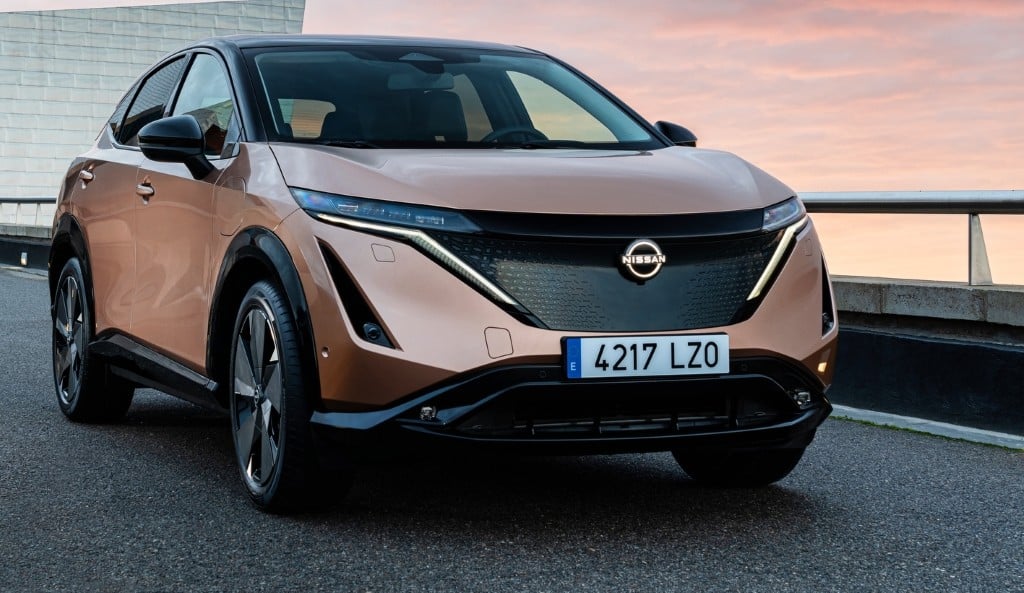

Over the past few years, electric cars have increased in popularity. Not only do they provide a quieter, smoother driving experience, but they also have zero carbon emissions as they rely on an electric charge, not fuel.
But just how much does it cost to charge an electric car? And, is it a cheaper alternative to filling a car up with fuel?
Luckily for you, as the UK’s leading car lease company, we have the answers to these questions and more in our latest blog. Read on to find out how much it costs to charge an electric car, where you can charge this type of vehicle, and reasons why they've become such a popular choice with drivers over the past few years...
So...how much does it cost to charge an electric car?
Charging an electric car will depend on the charging point you decide to charge it at, as well as the supplier. Moreover, you also will need to factor in the type of battery your EV (electric vehicle) has and the mile range.
To give you an idea, let's take a general look at electric vehicle charging. Charging your electric car at home can cost as little as 3p per mile.
Meanwhile, lampost chargers cost around 14p per mile, and 18p per mile for rapid public charging. For a full charge at a supermarket car park, you can probably expect to pay around £26.
How long does it take an electric car to charge?
Again, how fast it takes to charge an electric vehicle will depend on the battery and the charging port. At home on a domestic three pin plug, you can probably expect a full charge to be complete within 24 hours. Whereas, with a rapid charging port, it can take around 30 minutes to fill a standard electric car with a 60kWh battery from empty.
What chargers are electric cars compatible with?
There are several types of chargers that electric cars are compatible with. Let's explore them in more detail below:
Type 1
A type 1 electric car charger is a single-phase connector that is primarily used in Japan and North America. They have a power output of 1kWh and have a five-pin design.
Type 2
Also known as Mennekes, a type 2 electric car charger is predominantly used by drivers in Asia, Europe, and Australia. These connectors have a seven-pin design and typically charge faster than Type 1 chargers.
CHAdeMO
A CHAdeMO electric charger was developed in 2010 and can deliver a rapid charge to compatible models, including a Toyota Prius Plug-In, Citroen C-Zero, a Nissan Leaf, and many more.
CCS combo type 1
This connector type is a rapid electric vehicle charger, only found and used in North American and Asian markets.
CCS combo type 2
This type of charger is used in the UK and Europe for rapid (DC) charging.
For more information on charging your EV, check out our blog.
Where can I charge my electric car?
In recent times, there have been plenty of developments in the number of places electric car drivers can charge their vehicles. This includes:
Charging points
Due to the demand for electric vehicles, there are plenty of EV charging points up and down the country. Most charging points are located near big cities such as London and tend to be more sparse and harder to come by in rural areas.
Supermarkets
Supermarkets often provide electric charging points. You might even be able to find free rapid charging points at shops such as Sainsbury's and Asda. Otherwise, you'll likely have to pay a charge per kWh.
At-home installation
You can install an electric charging point in your own home, which can cost anywhere from £800 to £1,500. The price will depend on the type of model vehicle you have and the complexity of the installation. But it could be a handy investment that allows you to charge your car overnight at home.
Do I need a home charging set-up for my electric car?
Whether you need a home charging set up for your electric car depends on your location. For example, if you live in a rural area, charging points won't be as frequent to come by, so an at-home electric vehicle charger would be your best bet. For those who only use their car for short journeys and are located in the city, they might not need to prioritise an at-home charging installation.
What's cheaper, filling a car with fuel or charging an EV?
Charging an EV is still significantly cheaper than filling a car with fuel. This is especially the case if you can fill your car at home during off-peak electricity times (meaning the charge is cheaper than at peak times when electricity is in demand). Moreover, the cost per mile of an EV is much cheaper than the cost per mile for a fuel-powered engine.
Why choose an electric car?
As mentioned, there are many reasons why people choose to purchase or lease an electric car. For example, it provides:
Zero tailpipe emissions
Firstly, the main appeal of using an electric car is that it provides zero tailpipe emissions. This is because they rely solely on an electric charge to run, and don't use petrol or diesel. As a result, the car doesn't produce harmful gases that contribute to a negative environmental impact. This has become an increasingly popular factor with consumers when it comes to their purchases. In fact, according to a survey by BusinessDasher, 92% of consumers trust brands that are socially responsible or environmentally friendly. If sustainability is something you're considering in all of your future purchases, then an electric car might be the right option for you.
A quieter performance
Another reason why drivers have been more interested in purchasing electric vehicles in recent times is that they provide a quieter performance than traditional fuel vehicles. For example, because they lack a traditional internal combustion engine (ICE), they have little engine noise, vibrations, and exhaust sounds. Instead, the electric motor functions quietly - producing only the sound of a very faint hum. Unlike their petrol and diesel counterparts, electric cars also don't have pistons and turbochargers, which all contribute to a more noisy vehicle. As a result, they're ideal for simplistic, urban, and motorway driving.
Convenience
Finally, electric cars are a convenient option for drivers, no matter whether you plan on personal leasing or business leasing. Thanks to their instant torque, smooth acceleration, and even fewer maintenance requirements, users don't need to prioritise oil changes, engine servicing, and complex mechanical repairs. Meaning, less time and money is spent on frequent trips to the garage. What's more, electric vehicle drivers don't need to worry about filling their car up with fuel when they need it, they can install a charging port in their home, allowing them to charge overnight when they need to.
Are there any drawbacks to using an electric car?
No vehicle is without some limitations. Let's explore the drawbacks you might encounter when using an electric car:
Only as green as the charging port
One drawback of electric cars is that they are only as green as their charging port. Despite producing no tailpipe emissions, put simply, their environmental benefits depend on the electric source they use. For example, if this electric source uses only renewable energy, then the driver's carbon footprint is low. But, if the electric charge uses coal or gas to provide this electricity, then it might not be as environmentally friendly after all. This is because these plants that produce this type of electricity ultimately produce harmful emissions too.
Battery costs
A drawback you might encounter when purchasing or leasing an electric car is high battery costs, as these can make a significant impact on the overall price of the vehicle. Put simply, electric vehicle batteries use expensive materials, such as lithium and cobalt - which means they are more costly to produce. Even though battery prices have decreased over time, replacing a diminished battery can still be an expensive cost to bear. What's more, frequent charging and extreme changes can shorten battery life, meaning certain drivers will have to replace theirs more often.
Charging stations
Another drawback of using an electric car is that your location will affect the availability and accessibility of electric charging stations. For example, if you live in a more rural area, you might not be as close to a charging point. Whilst there are many around the country, they can be sparse in these areas due to lack of demand. This might not be an issue if you're prepared, but if an emergency were to happen, it might be difficult to get a charge in your car. Remember to check where your closest charging points are before purchasing an electric car, and see if a home installation would suit you better.
What lifestyles best suit an electric car?
Anyone who is looking for an environmentally-conscious option will benefit from purchasing or leasing an electric. This will specifically benefit those in the city, as these vehicles are best suited for urban driving and short trips. Those wanting a car to serve them on longer journeys might find a hybrid vehicle a more suitable option.
What are the best electric cars on the market?
If you've read this far, you're probably interested in making an electric vehicle your next car lease. If so, take a look at our recommendations for the best electric cars on the market right now:
Renault 5
A Renault 5 offers the latest in vehicle technology at affordable fixed rental prices to suit your budget. As it's designed with the driver in mind, users can benefit from a smooth and comfortable driving experience when taking long journeys across UK country roads.
Pros:
-
Unique design and comfort
-
Full suite of modern safety aids
Cons:
-
Limited rear space
-
Small windscreens
Tesla Model 3
An entry-level Tesla car, the Tesla Model 3 has an increased offering when it comes to electric vehicles with cutting-edge tech and a top-of-the-range performance. Futuristic and practical in its design, the vehicle is a sound alternative to the premium marques available. The vehicle is easily controlled through a large 15-inch central touchscreen, and plenty of room is provided for four adults, as well as extensive boot space.
Pros:
-
The vehicle offers incredible speed and performance
-
It delivers quick, agile, and accurate steering
Cons:
-
Overcomplicated ergonomics
-
Decreased levels of visibility
Kia EV3
Between charges, the Kia EV3 has an impressive range which makes it a comfortable ride with a competitive entry price, as well as plenty of standard kit. In short, it's a brilliant small SUV. At First Vehicle Leasing, our favourite version is the entry-level Standard Range Air, but if you need to make long journeys of 200 miles between charges, the Long Range GT-Line is well worth a look.
Pros:
-
Long range so suitable for longer journeys
-
Comfortable ride for drivers
Cons:
-
Rivals have more versatile rear seats
-
Not very agile
Call First Vehicle Leasing today to discover more about our affordable, high-quality lease cars...
There are many factors to consider when leasing a car to ensure you get an affordable contract with a high-quality vehicle. But, it can be hard to find time to do this research in your everyday life. That's why so many people turn to the experts at First Vehicle Leasing.
When you work with us, our team - which has a collective 200 years of experience - will find out what your specific needs are and find the perfect lease offer to match. Whether you've just passed your driving test or are an experienced driver who is familiar with leasing contracts - we're here to help find the right vehicle for your lifestyle.
Contact us today to discover more about our 5-star rated Trustpilot services, and the wide range of lease offers and vehicles we have available.