
Used car leasing means you drive a car that's two or three years old for a fixed monthly rental. It usually costs less than leasing the same model new. In 2026 the market is growing quickly because so many ex-lease electric cars are coming back. First Vehicle Leasing explains how a re-lease deal works, what to check before you sign, and when a new-car offer is the better buy.
Key Takeaways
- A re-lease is a contract hire agreement on a used car, typically two to four years old, that has finished its first lease.
- The BVRLA reports that used leasing is growing fastest through salary sacrifice and personal leasing, driven by ex-fleet electric cars.
- A used lease often costs less each month, but new-car special offers can close the gap. Compare both on the same initial rental, term and mileage.
- Check the warranty, when the MOT is due and the original list price. Road tax supplements and company car tax both follow what the car cost new.
- For 2026/27, fully electric company cars carry a 4% Benefit in Kind (BIK) rate, rising to 5% in 2027/28.
What Is Used Car Leasing and How Does a Re-Lease Work?
Used car leasing is contract hire on a car someone has already driven. The car has usually done a first lease of two to four years. It's then inspected, prepared and leased to a new driver for a fixed term. You pay an initial rental, then monthly rentals, and you hand the car back at the end.
It works in the same way as a new lease. Personal Contract Hire (PCH) is for private drivers. Business Contract Hire (BCH) is for companies and sole traders. You never own the car. The initial rental is normally worth 1, 3, 6 or 9 monthly rentals. It isn't a deposit, and you don't get it back. Under FCA regulations, PCH is a regulated consumer hire agreement under the Consumer Credit Act 1974. That means the same affordability checks and Consumer Duty standards apply whether the car is new or used.
The main practical difference is choice. You're picking from cars that already exist, so the trim, colour and mileage are fixed. Delivery can be quicker too, because nothing has to be built at a factory.
Before you look at used cars, it's worth knowing what new ones cost right now.
Why Is Used Car Leasing Growing in 2026?
The main reason is the number of electric cars finishing their first leases. The BVRLA says used leasing is growing fastest through salary sacrifice and personal leasing. It gives two- and three-year-old EVs a second life and lets more drivers get into an electric car for less. It also helps leasing companies deal with falling used-car values.
According to the BVRLA's latest Leasing Outlook, the UK lease fleet reached 2,052,673 vehicles in Q1 2026. Battery electric cars now make up 48% of the BVRLA's BCH car fleet. The association's January 2026 report also recorded a 290% year-on-year rise in used BCH contracts, to 19,644 cars and vans. Leasing firms are now confident enough in battery health to keep some used EVs on lease until they're seven or eight years old.
Is a Used Lease Cheaper Than Leasing a New Car?
Often, but not always. A used car has already lost most of its value, so there's less left to lose during your lease. But manufacturers are cutting prices hard on new EVs in 2026. Some new-car special offers now cost about the same as a used equivalent, and they come with a full warranty and only delivery miles.
A lease rental is made up of two parts. You pay the gap between what the car costs and what it's worth at the end (the residual value), plus interest charges. A used car costs less to start with, and it loses value more slowly in its third to fifth years. That's why used rentals can be lower. The BVRLA admits the hard part for leasing companies is setting a used rental that's cheap enough to beat new-car discounts. Those discounts are driven by the ZEV Mandate, the government rule that makes manufacturers sell a rising share of zero-emission cars.
In FVL's experience, the best value on new cars is in our special offers, where we've bought from manufacturers in volume. Buying in bulk lowers the starting price, but the residual value is still set against the car itself. That shrinks the gap you fund and the amount the interest is charged on. With new and used leases alike, the funder carries the risk if the car is worth less than forecast when you hand it back.
So how do you compare a used lease with a new one fairly?
Compare like with like: the same initial rental, the same term and the same annual mileage. Add up the initial rental, every monthly rental and any maintenance package to get the total cost. Keep the VAT basis the same on both sides, so either both prices include VAT or both exclude it.
| Feature | Used / re-lease | New lease |
|---|---|---|
| Age at start | Typically two to four years | Brand new, delivery mileage only |
| Manufacturer warranty | May run out during your term, depending on the brand | Full warranty from registration |
| Specification and colour | Limited to the cars available | Your choice of trim, colour and options |
| Monthly rental | Often lower for the same model | Special offers can match used prices |
| MOT during the term | Likely, as the first MOT is due at three years | Not usually needed on a term of three years or less |
| Residual value risk | Carried by the funder | Carried by the funder |
| Company car tax (BIK) | Based on the original list price | Based on the list price |
Will I be approved?
Five questions, no sign-up, and an honest answer before you apply for anything.
Check my eligibilityWhat Should You Check Before Signing a Used Lease?
Check five things: how much manufacturer warranty is left, when the next MOT and service are due, the car's original list price, its condition and history, and who pays for maintenance. On an electric car, also ask about the battery warranty and battery health. These tell you whether a cheaper rental really works out cheaper.
- Warranty: many three-year warranties end around the time a car finishes its first lease. Ask exactly what cover is left and what it covers. EV batteries often have separate, longer cover.
- MOT: in Great Britain, a car's first MOT is due by the third anniversary of its registration (four years in Northern Ireland). The DVLA won't renew a car's tax without a valid MOT, so check who books and pays for it.
- Original list price: for 2026/27, standard Vehicle Excise Duty (VED) is £200 a year. Cars with a list price above £40,000 also pay the £440 Expensive Car Supplement in years two to six. For zero-emission cars the threshold is £50,000, according to BVRLA guidance on the VED changes. The supplement stays with the car, whoever owns it.
- Condition: make sure any existing marks are recorded when you take the car. At the end, damage is judged against the BVRLA fair wear and tear standard. Our end of contract guides explain how returns work.
- Maintenance: an older car is more likely to need tyres, brakes and servicing during your term. An optional maintenance package makes those costs predictable.
Leasing a used car through your employer or business?
HMRC works out tax on company cars from the car's P11D value. That's its list price when new, not what it's worth now. So a used company car doesn't reduce your BIK. For 2026/27, fully electric cars are taxed at 4%, rising to 5% in 2027/28. Petrol and diesel cars are taxed at roughly 15-37% of list price, depending on CO2 emissions. The same rules apply to salary sacrifice cars.
Is a Re-Lease Deal Right for You?
A re-lease makes sense if the rental is clearly lower than a comparable new deal and you're happy with the car's specification and remaining warranty. If a new-car offer costs about the same, go new. First Vehicle Leasing has spent over 25 years helping drivers weigh up exactly this choice.
A used lease suits you if
- You want a particular model for less than it costs new
- You need a car quickly
- You're flexible on colour and trim
- You want to try an EV on a lower rental
A new lease suits you if
- You want warranty cover for the whole term
- A special offer costs about the same as a used deal
- You're a company car driver, so used saves you no BIK
- You want to choose the spec yourself
Which New Cars Rival a Used Lease Deal in 2026?
The toughest competition comes from new electric cars priced to meet ZEV Mandate targets. Affordable EVs such as the MG4 and Kia EV3 come with seven-year manufacturer warranties. That means you get new-car cover for your whole term, often at a rental not far above a used equivalent.
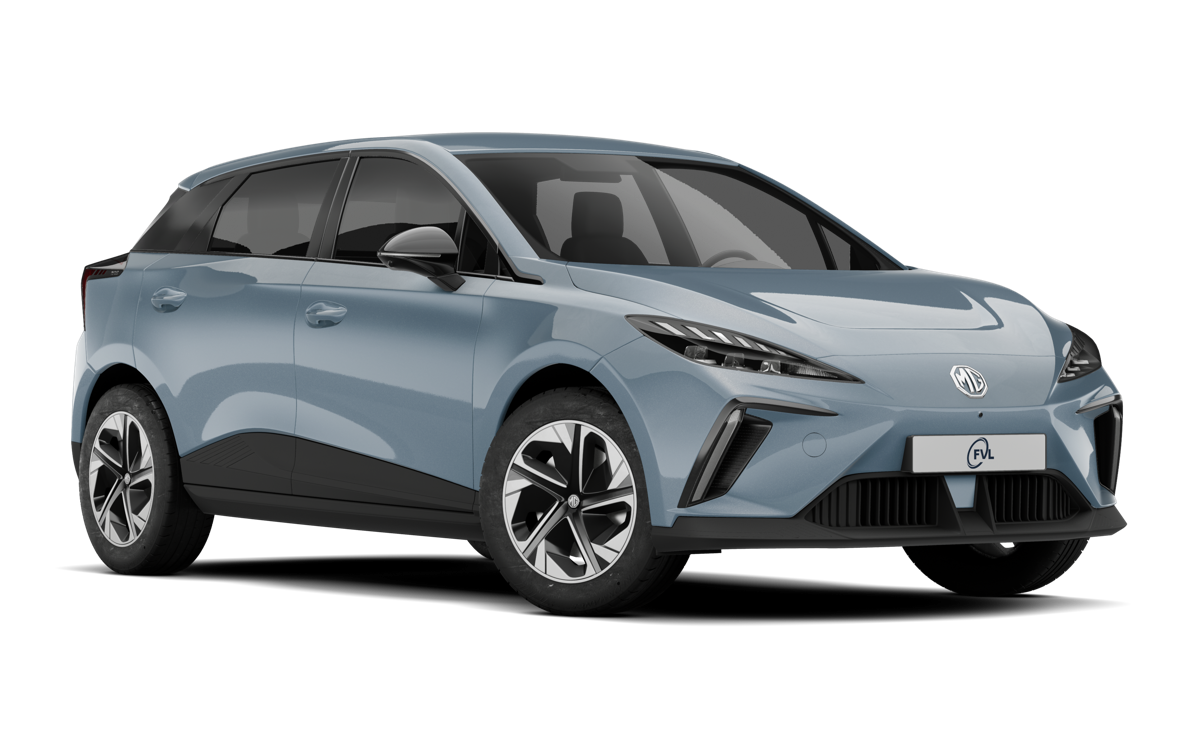
The MG4 is a roomy, well-priced electric hatchback. It comes with MG's seven-year/80,000-mile warranty, which is useful if you're thinking about a longer term.


The Kia EV3 is a compact SUV with a long range, backed by Kia's seven-year/100,000-mile warranty. Rentals change daily, so check the model pages for current deals and set them against any used quote on the same terms.


Compare Used and New With Our Team
Tell us your budget, mileage and must-haves. We'll tell you honestly whether a used car or a new special offer gives you more for your money. Call First Vehicle Leasing on 0333 003 3325 or browse the latest offers.
Related guides
Business Car Leasing (BCH) ExplainedHow Business Leasing Affects Your Tax & AccountsReclaiming VAT on a Business Lease: How Much Can You Claim?Personal vs Business Lease: Which Is Right for You?View all guidesFrequently Asked Questions
Sources
Written by Andy Bell, First Vehicle Leasing.