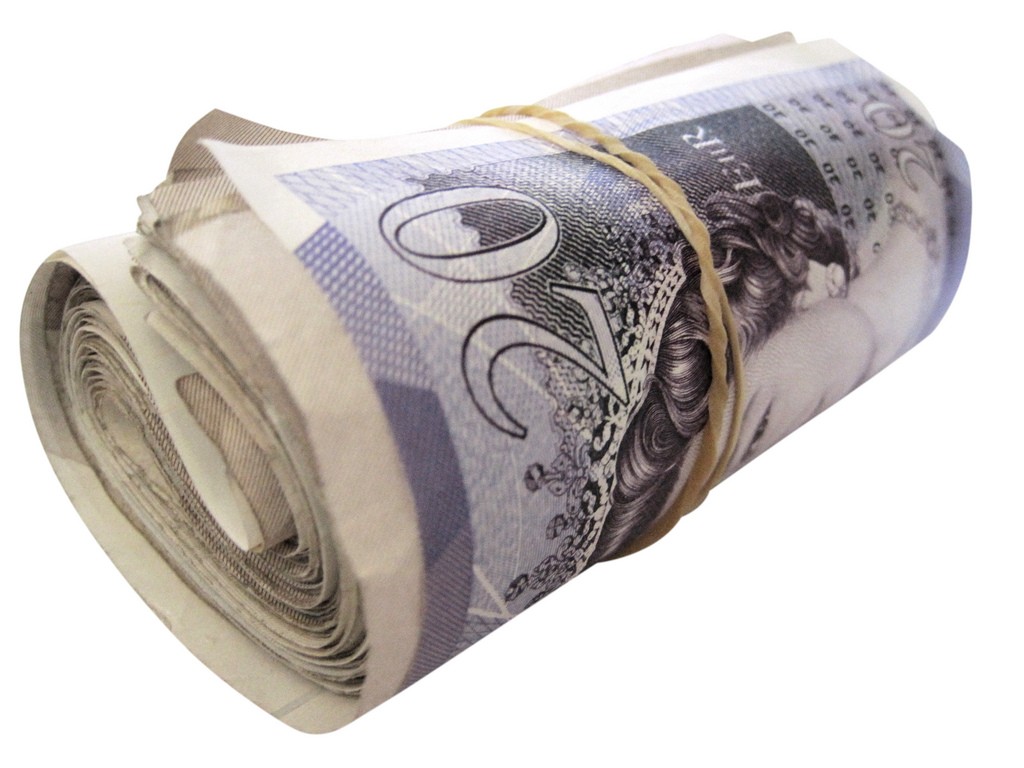

Walk into a showroom, announce you're a cash buyer, and you might expect the salesperson to reach for the discount sheet. In 2026 that rarely happens. This guide explains why paying cash is seldom the bargaining chip people think it is, what it really costs you, and where leasing through First Vehicle Leasing can come out ahead.
Key Takeaways
- Being a cash buyer rarely earns a discount. Dealers earn commission on finance, so paying outright takes away one of the ways they make money on the sale.
- According to HMRC, any business that accepts cash payments of £10,000 or more for goods has to register as a high value dealer under the Money Laundering Regulations 2017. Most car dealers simply won't take large sums in notes.
- If you buy the car, you carry all of the depreciation. For 2026/27 you also pay a £440-a-year Expensive Car Supplement in years two to six on petrol, diesel and hybrid cars with a list price of more than £40,000, and on electric cars registered from 1 April 2025 with a list price of more than £50,000.
- A lease rental is the gap between what the car costs to buy and what it's forecast to be worth at the end, plus interest charges. Buying in volume brings the starting cost down, but the forecast end value stays the same.
- To judge a deal, divide the list price by the monthly rental. Above 90 is strong value, 80 to 90 is reasonable, and below 80 is poor value. Only compare deals with the same initial rental, term and mileage.
What Is a Cash Buyer in 2026?
A cash buyer is someone who pays for a car outright instead of taking finance from the dealer. People also use the term for a buyer with no part-exchange. To a dealer, only the first meaning counts. A cash buyer is a customer who won't sign a finance agreement with them, whether they pay by debit card or bank transfer.
Websites that buy your old car like to say that selling to them first makes you a cash buyer. It doesn't change how a dealer sees you. And almost nobody pays in actual banknotes any more, for reasons we cover below.
Does Paying Cash Get You a Better Deal on a New Car?
Usually not. Dealers earn commission when customers take finance, often through the manufacturer's own finance company. A buyer who pays outright removes that income from the deal, so the dealer has no business reason to give a bigger discount. In our experience, customers who are open to finance often find discounts easier to get.
Can you actually pay for a car in banknotes?
In practice, rarely. According to HMRC, any business that accepts cash payments of £10,000 or more for goods counts as a high value dealer. It must register for anti-money laundering supervision under the Money Laundering Regulations 2017. Cash means notes, coins or traveller's cheques, and several linked payments towards one sale count as a single transaction. Many dealers just refuse large cash sums rather than take on the paperwork. So asking "how much for cash?" and meaning actual notes won't get you far.
What has changed with finance commission?
Commission is watched much more closely than it used to be. The FCA banned discretionary commission arrangements (DCAs) in January 2021. These let a dealer raise your interest rate to earn more commission. In March 2026 the FCA confirmed a motor finance redress scheme (PS26/3) for agreements taken out between 6 April 2007 and 1 November 2024. In July 2026 the Upper Tribunal suspended parts of the scheme while legal challenges are heard. Dealers still earn commission, but it's much harder to keep it hidden from buyers.
Does Having No Part-Exchange Get You a Better Price?
No. Selling your old car privately or to an online buyer before you visit a dealer won't get you a better price on the new one. A desirable part-exchange can actually help you, because dealers need good used stock and a trade-in is one of the cheapest ways to get it. Treat the new car's price and your trade-in value as two separate deals.
Leasing works differently. A Personal Contract Hire (PCH) agreement has no part-exchange, because you're renting the car, not buying it. If you need to sell your current car before the lease starts, our team can give you an instant valuation for your car.
Is a Personal Loan Cheaper Than Dealer Finance?
Sometimes the headline rate is lower, but a personal loan is a different product. It's unsecured debt in your name, and the lender takes no interest in what you spend it on. With hire purchase (HP), the finance company owns the car until you pay the last instalment, so it is legally responsible if the car turns out to be faulty.
That matters if something goes wrong. Under the Consumer Rights Act 2015, a claim for a faulty car goes against whoever supplied it. That's the dealer if you paid cash or used a loan, and the finance company if you used HP. Whichever you choose, compare the total amount you'll repay, not just the APR.
Will I be approved?
Five questions, no sign-up, and an honest answer before you apply for anything.
Check my eligibilityWhat Does Paying Cash for a Car Really Cost You?
The price on the windscreen is only the start. If you pay cash, you lose the interest that money could have earned and you take every pound of depreciation. You also pay road tax, servicing and repairs yourself. For the 2026/27 tax year, road tax can include a £440-a-year Expensive Car Supplement in years two to six of the car's life.
The Bank of England held Bank Rate at 3.75% on 17 September 2026, so savings are earning interest again. For example, £30,000 in an account paying 3.5% would earn about £1,050 a year before tax. Spend that money on a car and you give up that income.
Then there's Vehicle Excise Duty (VED, or road tax), which the DVLA collects. The standard rate is £200 a year for 2026/27. GOV.UK guidance adds the Expensive Car Supplement (ECS) for petrol, diesel and hybrid cars with a list price of more than £40,000. It also applies to electric cars registered from 1 April 2025 with a list price of more than £50,000. The list price includes factory options, so a dealer discount won't bring a car under the limit. From April 2028, the government also plans to bring in electric vehicle excise duty (eVED). It's a pay-per-mile charge on electric and plug-in hybrid (PHEV) cars.
| Cost or risk | Paying cash | Personal Contract Hire |
|---|---|---|
| Upfront cost | The full price of the car | An initial rental, usually 1, 3, 6 or 9 months' worth |
| Depreciation risk | All yours | The funder's. Your rental is fixed at the start |
| Road tax (VED, including ECS) | You pay it every year | Normally included in the rental for the whole term |
| Savings tied up | The whole purchase price | None. You pay rentals as they fall due |
| End of term | You own the car and can keep or sell it | You hand it back, subject to fair wear and tear and your mileage limit |
| Mileage | No limit, but high mileage lowers resale value | An agreed yearly limit. You pay extra for miles over it |
| Keeping the car for many years | Costs fall once the car is paid for | Not possible. You start a new lease |
Why Can Leasing Work Out Cheaper Than Paying Cash?
Your lease rental isn't the car's price split into monthly chunks. You pay the gap between what the car costs to buy and what it's forecast to be worth at the end (its residual value), plus interest charges. When a broker buys in volume, the starting cost comes down but the residual value doesn't, so the gap you pay for shrinks.
First Vehicle Leasing commits to manufacturers in bulk, often hundreds of vehicles at a time. The terms we get are ones an individual buyer can't match, however hard they haggle. Residual values are based on what the car is expected to be worth, not on what the funder paid for it. So the volume discount comes straight off the buying price. That shrinks the gap, and it also lowers the amount the interest is charged on.
You also pass the depreciation risk to the funder. If the car is worth less than forecast when you hand it back, that's their problem, not yours. A cash buyer carries that risk alone.
How Can You Tell If a Lease Deal Is Good Value?
Divide the car's list price by the monthly rental. The answer tells you how many monthly rentals fit into the price of the car, and higher is better. Above 90 is strong value, 80 to 90 is reasonable, and below 80 is poor value, so keep looking. The test only works when both deals have the same initial rental, term and mileage.
These are the same bands our pricing team uses. Assume the standard 9+35 profile, which means nine months' rental upfront and then 35 monthly rentals. Never compare a 9+35 deal with a 1+35 deal. The one with the bigger initial rental will always look better, because part of the cost has just been moved out of the monthly figure. Keep VAT consistent too: compare a rental including VAT with a list price including VAT, or both without it.
Here's an example. A car with a £30,000 list price and a £300 monthly rental scores 100 (30,000 ÷ 300), which is strong value. The same car at £350 a month scores about 86, which is reasonable. A score of 100 is the same as the informal "1% rule" some drivers use, where a monthly rental of 1% of the list price or less counts as a strong deal. It's a rule of thumb, not an industry standard.
Where do the best-value deals sit?
Start with what you need from a car and what you can afford. Then look for the best value within that, instead of settling on one model first. Our strongest prices are usually on our special offers, where we've committed to a large number of one particular vehicle. Say you want a compact electric SUV. Price the Skoda Elroq and the Kia EV3 on the same terms, run the test on both, and pick the better score. If your employer offers it, an electric car through salary sacrifice can cost you even less.


When Is Paying Cash the Better Option?
Paying cash can win if you keep cars for a long time, drive a lot of miles, or can't predict your mileage. It can also make sense if you want to modify the car. Once the car is paid for, each extra year you keep it spreads the depreciation further. Leasing tends to suit people who change cars every two to four years and want fixed monthly costs.
Buying outright may suit you if...
- You keep cars for many years
- Your mileage is high or hard to predict
- You want to modify the car
- Your savings earn very little and you have no better use for them
Leasing may suit you if...
- You change cars every two to four years
- You want fixed monthly rentals, usually with road tax included
- You'd rather the funder took the depreciation risk on a new EV such as the Kia EV3
- You'd rather keep your savings


If you keep a car until it's worn out, buying will usually win. For everyone else, it's worth doing the sums before you hand over the money.
What Should You Do Before Paying Cash for a Car?
Put the numbers side by side before you commit. Get a price to buy the car outright. Get lease prices for the same car and a couple of alternatives. Then add up what owning the car would cost over the years you'd keep it. Agree the price of the car before you say how you're paying.
- Decide what you need from a car and what you can spend each month.
- Get the outright price in writing, and ask whether a different discount applies if you take the dealer's finance.
- Get lease prices for the same car and a few alternatives on identical terms, and run the list-price test on each.
- Add up the cost of owning the car: VED including any ECS, servicing, likely depreciation and the interest your savings would lose.
- Check your credit file before applying, because leasing is subject to status.
Want our experts to run the comparison for you? Call First Vehicle Leasing on 0333 003 3325 or start with this week's special offers.
Related guides
Losing Your Job During a Lease: Your OptionsWhat Lease Length Should I Choose? 24 vs 36 vs 48 MonthsWhat's Included in Your Monthly Lease Payment?Is Leasing Cheaper Than Financing a Car? UK Cost GuideView all guidesFrequently Asked Questions
Sources
- Check if you need to register for money laundering supervision if you're a high value dealer - HMRC / GOV.UK
- PS26/3: Motor finance consumer redress scheme - Financial Conduct Authority
- Vehicle tax for electric, zero and low emission vehicles - GOV.UK
Written by Andy Bell, First Vehicle Leasing.