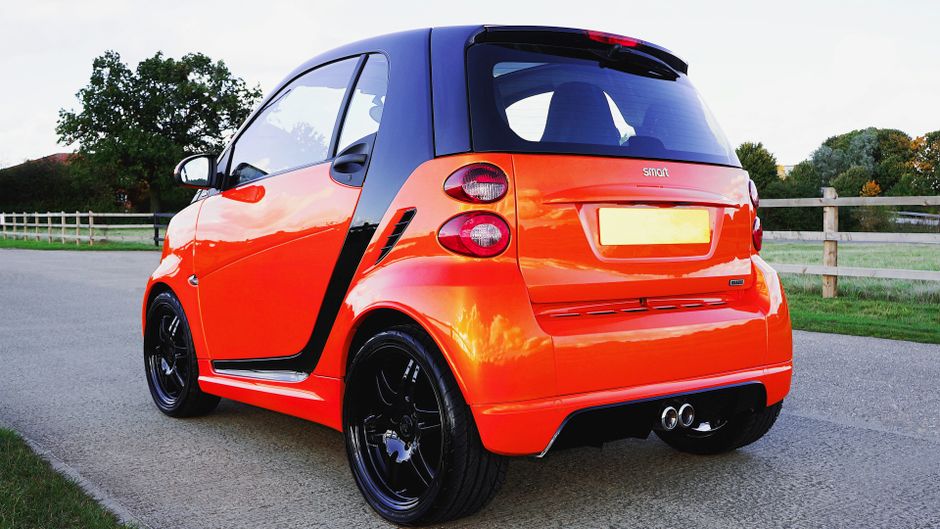
Yes, in most cases. Tow bars, roof racks, roof boxes, dash cams, trackers and light window tint are commonly fitted to leased cars. The rule is simple: get written permission from the funder (the finance company that legally owns the car) before any work starts, and expect to return the car to original condition at handback.
What's in this guide
- Can I add a tow bar, roof rack or tint?
- What counts as a modification on a lease car?
- Which modifications get approved and which get refused?
- How do I ask the funder for permission?
- Tow bars on a lease car: the detail
- Window tint, wraps and signwriting
- Do I have to remove it before handback?
- Factory options vs aftermarket accessories
- Telling your insurer about modifications
- Your modification checklist
- Frequently asked questions
Key Takeaways
- Tow bars, roof bars, roof boxes, trackers, dash cams and parking sensors are routinely approved, but only with the funder's written permission before fitting.
- Under BVRLA fair wear and tear standards, tow bars must only be fitted with the leasing company's approval, and performance modifications need approval too.
- Anything permanent, structural or performance-related (engine remaps, suspension, cut bumpers, drilled panels) is usually refused outright.
- Most approved modifications must be professionally removed before handback, with any holes or marks neatly repaired at your cost.
- Ordering the accessory as a factory option at the point of order is nearly always cheaper and cleaner than retro-fitting it later.
Can I add a tow bar, roof rack or tint?
Yes to all three in most cases, with one condition attached to each: written permission from the funder before the work is done. Tow bars and roof bars are among the most common requests we handle and are rarely refused. Tint is allowed but tightly limited by law at the front of the car.
The reason permission matters is ownership. On a contract hire agreement (a long-term rental where you hand the car back at the end), you're the registered keeper but the funder owns the vehicle. Altering someone else's asset without asking is a breach of the agreement, and that's true even when the change is harmless and easily reversed.
Roof bars and roof boxes are the simplest of the three, because most modern cars have factory mounting points and nothing is drilled or cut. Tow bars are more involved: electrics have to be integrated properly and the bumper is sometimes trimmed. Tint is different again, because there the constraint is the law rather than the funder.
So what happens if I just do it anyway?
Nothing, until handback. Then the inspector notes a non-standard part or unrepaired holes, and you get a recharge for putting the car back to standard - at the funder's rates, not the local garage's. If the work was badly done, you also risk a warranty argument with the manufacturer and, in a claim, an awkward conversation with your insurer. Not worth it for the sake of an email.
What counts as a modification on a lease car?
A modification is anything that changes the vehicle from the specification the funder bought. That includes bolt-on accessories, wiring, films, decals and software. Loose items that simply sit in the car - a phone cradle on the vent, a suction dash cam, boot liner or mats - are not modifications and need no permission at all.
The practical dividing line is whether the car can be returned to standard without trace. Clip it on and lift it off, and nobody minds. Drill it, bond it, cut it or reflash it, and you're in permission territory. Hardwiring is the one people underestimate: a dash cam stuck to the screen is fine, but wiring it into the fusebox is a modification because it touches the loom.
No permission needed
Mats, boot liners, seat covers, suction-mounted phone holders and dash cams powered from a 12V socket, screen wash upgrades, and anything else that lifts straight out.
Permission needed
Tow bars, roof bars and rails, trackers, hardwired dash cams, parking sensors, tint film, wraps, decals, bike carriers that bolt on, tyre size changes.
Usually refused
Engine remaps, exhaust and induction changes, suspension and lowering, body kits, cut bumpers, drilled panels, roof lights, permanent racking that isn't specified up front.
Which modifications get approved and which get refused?
Reversible, professionally fitted accessories that don't affect performance or safety are routinely approved. Anything that alters how the car drives, changes its emissions, or can't be undone without repair work is usually refused. Funders differ, so treat the table below as a strong guide rather than a guarantee.
| Modification | Typical outcome | What the funder will want |
|---|---|---|
| Tow bar (detachable, type-approved) | Usually approved | VAT-registered fitter, vehicle-specific wiring, written guarantee |
| Roof bars, roof rails, roof box | Usually approved | Manufacturer or equivalent-quality parts, no drilling |
| Tracker / stolen vehicle recovery unit | Usually approved | Professional install, removal and repair at handback |
| Hardwired dash cam | Usually approved | Fused, non-invasive wiring; no cut looms |
| Retrofit parking sensors or tow assist | Case by case | Franchised dealer fit, given bumper drilling |
| Window tint (rear glass) | Often approved | Professional film, removable without adhesive residue |
| Full wrap or company decals | Often approved | Professional application and removal, no paint damage |
| Engine remap or exhaust change | Usually refused | Affects warranty, emissions and residual value |
| Suspension, body kit, alloy swap | Usually refused | Original parts must be kept and refitted if ever allowed |
One honest caveat on van conversions: internal racking, ply lining and beacons are common on leased vans and often approved, but roof-mounted light bars and holes cut in panels are a different conversation. Ask before the fitter books you in, not after.
Planning a tow bar? Spec it at order stage
If you already know you'll be towing a caravan, trailer or horsebox, the cleanest route is to have the tow bar built in as a factory option when you order. It's covered by the manufacturer warranty, correctly coded to the car's electronics, and there's nothing to remove at handback. Our team can add it to the quote before the order goes in.
Towing capability varies enormously between models and drivetrains, so it pays to check the braked towing weight before you commit to a car.
How do I ask the funder for permission?
Ask in writing, before you book the work, and be specific. Funders want to know exactly what part is being fitted, who is fitting it, and how it will be removed. A vague "can I fit a tow bar?" gets a slow answer; a detailed request with a quote attached usually gets a decision inside a few working days.
What to put in the request
- Your agreement number and the vehicle registration
- Exactly what you want fitted, including the part and whether it's type-approved
- Who is fitting it - name, VAT registration, and whether they're a franchised dealer
- Confirmation the fitter provides a written guarantee and a fitting certificate
- Your commitment to remove it and repair any marks before handback, at your cost
If you arranged the lease through us, our customer care team will put the request to the funder for you and chase the answer. Keep the approval email. At handback, two years later, an inspector querying a bracket is settled in thirty seconds by a forwarded message and settled expensively without one.
Tow bars on a lease car: the detail
Tow bars are approved regularly, but they carry the most conditions of any common accessory. Under BVRLA fair wear and tear standards, a tow bar must only be fitted with the leasing company's approval. Beyond that, funders expect a type-approved bar, dedicated vehicle-specific wiring, and a professional VAT-registered fitter who provides a written guarantee.
The wiring is where people get caught. Universal "bypass" wiring looms are cheap and they are the single most common reason a tow bar installation causes trouble, because they can upset the car's electronics and give the manufacturer grounds to decline a related warranty claim. Vehicle-specific wiring, correctly coded so the car recognises a trailer is attached and enables its stability and reversing functions, costs more and avoids all of that.
A detachable or retractable neck is the sensible choice on a lease. It keeps the rear of the car looking standard, avoids parking sensor complaints, and some funders are more relaxed about a detachable bar staying in place at handback because it doesn't harm resale. That's their call, not yours to assume.
Before you tow anything, check your licence entitlement and the weight limits. GOV.UK's guidance on towing with a car sets out what you can tow on your licence category, and the car's handbook gives the braked and unbraked limits. If you're planning to tow abroad, read our guide on taking your leased car abroad, because you'll need a VE103 certificate as well.
Window tint, wraps and signwriting
Tint is legal on the rear glass of a car and heavily restricted at the front. According to GOV.UK, on vehicles first used on or after 1 April 1985 the front windscreen must let at least 75% of light through and the front side windows at least 70%. There are no light transmission rules for the rear windscreen or rear passenger windows.
Because factory glass already absorbs some light, there is very little headroom to add film to the front windows and stay legal. In practice, front tinting on a modern car is a bad idea. The DVSA and police measure tint with light meters at the roadside, and over-dark front glass can bring a fixed penalty or a prohibition notice taking the car off the road until the film is removed. Rear privacy glass is where the visual effect lives anyway.
Funders will generally approve professional rear tint that can be stripped without leaving adhesive residue or scratching the demister elements. Full wraps and company signwriting are also commonly approved for business users, with the same condition: professional application, professional removal, no lacquer damage. A wrap that's been on a car through several summers can lift paint when it comes off, so use a fitter who will stand behind the removal as well as the fit.
Do I have to remove it before handback?
Usually yes, unless the funder's approval says otherwise in writing. The default position is that the car goes back in the specification it was delivered in, with any holes, brackets, adhesive or wiring neatly made good. If the approval letter states the accessory may remain, keep that letter and hand a copy over on collection day.
Timing matters. Book removal work six to eight weeks before collection, not the week before, so there's room to fix anything that turns up underneath. Under BVRLA fair wear and tear standards, where accessories or non-standard equipment have been wired in or mounted, any holes or other damage must be neatly repaired when they're removed - and "neatly" is judged by an independent inspector, not by you.
Arranging the removal and repair yourself is almost always cheaper than letting the funder do it and recharge you. That's the same principle as bodywork: fix it in advance, to a professional standard, with a warranty on the work. You can request the relevant standard from your funder or read the driver-facing BVRLA fair wear and tear guidance before you start appraising the car.
Factory options vs aftermarket accessories
If you know you need it, order it. A factory-fitted tow bar, roof rails, privacy glass or parking sensors are covered by the manufacturer warranty, need no permission, spread across your monthly rental, and leave nothing to remove at the end. Retro-fitting means paying twice - once to fit, once to remove.
| Consideration | Factory option at order | Aftermarket during the lease |
|---|---|---|
| Permission required | No | Yes, in writing, before fitting |
| Warranty position | Covered as standard | Depends on parts and fitter |
| How you pay | Built into the monthly rental | Cash, up front, to the fitter |
| Removal at handback | None needed | Usually required, at your cost |
| Lead time impact | May extend factory build time | None, fit whenever you like |
The one genuine advantage of aftermarket is flexibility. If you're leasing an in-stock car for quick delivery, factory options aren't available on a vehicle that's already built, so an approved retro-fit is your only route. Browse in stock lease cars if speed matters more to you than a bespoke specification.
Telling your insurer about modifications
Tell your insurer about every approved modification, including a tow bar and including legal tint. Insurers class accessories as modifications and non-disclosure can affect a claim. Most legal, safety-neutral additions cost little or nothing on the premium; a claim declined for non-disclosure costs a great deal.
Your policy also has to satisfy the funder's requirements in the first place - fully comprehensive, with the finance company noted as owner. Our guide to insurance for a leased car covers what funders insist on and why gap cover is worth a look. If the worst happens and a modified car is stolen or written off, the position on your accessories is set out in our guide to written-off or stolen lease cars.
Two related jobs worth doing at the same time: check that any tyre changes still meet the manufacturer's specification (see tyres and MOT on a lease), and if you're also planning a personalised registration, that's a separate DVLA process covered in our guide to putting a private plate on a lease car.
Your modification checklist
Follow this order and modifications on a lease car are straightforward. Skip a step and the cost tends to land at handback, when you have the least room to negotiate. Based on our experience arranging leases over more than 25 years, the customers who get caught out are almost always the ones who fitted first and asked later.
- Decide before you order where you can. Factory options are cheaper and cleaner than retro-fits.
- Get a written quote from a VAT-registered, insured fitter that names the exact parts.
- Request permission in writing from the funder, with the quote attached. Wait for the reply.
- Check the approval conditions - some approvals require specific parts, dealer fitting, or removal at end of term.
- Have the work done and keep the invoice, guarantee and fitting certificate together with the approval email.
- Notify your insurer the same week the work is done.
- Book removal six to eight weeks before collection unless your approval says the item can stay.
- Appraise the car against the fair wear and tear standard once the accessory is off, and repair anything left behind.
Not sure your next car can take what you need?
Towing weights, roof load limits and available factory accessories vary hugely between models, and on electric vehicles some cars aren't rated for towing at all. Our experts can check the specification before you order, add the options you need to the quote, and handle any permission requests with the funder during the contract.
Call our team on 0333 003 3325 and we'll tell you straight whether the car you're looking at will do the job.
Frequently Asked Questions
Sources
- Towing with a car: licence and weight rules - GOV.UK
- Tinted vehicle windows: the law - GOV.UK
- Fair Wear and Tear guidance - British Vehicle Rental and Leasing Association (BVRLA)
Written by the leasing team at First Vehicle Leasing, a BVRLA member authorised and regulated by the Financial Conduct Authority, arranging personal and business vehicle leases for UK drivers for over 25 years. Guidance only - always confirm modification policy with your finance provider in writing before work begins.
Will I be approved?
Five questions, no sign-up, and an honest answer before you apply for anything.
Check my eligibility