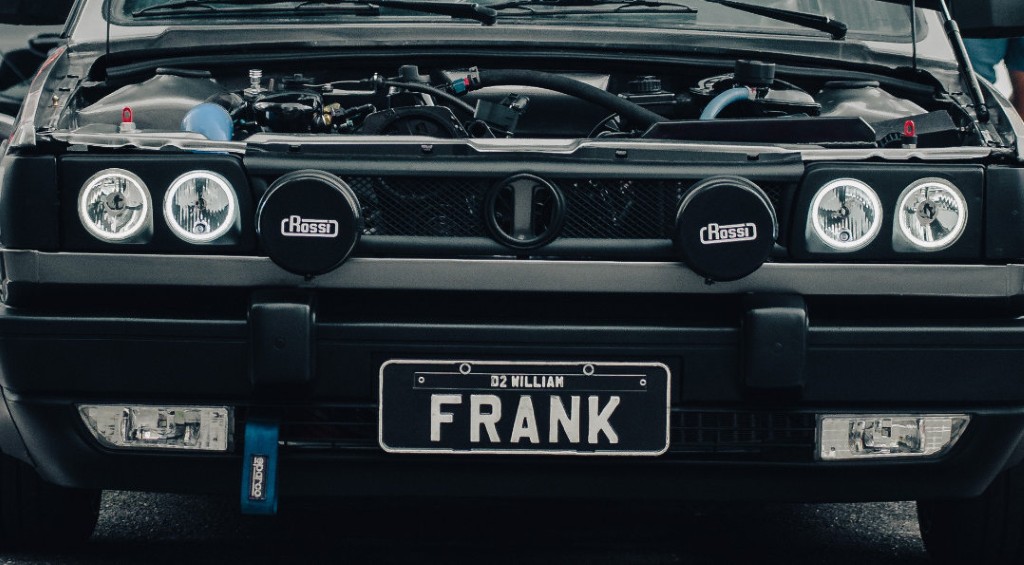

A personalised number plate makes a car feel like yours. A plate change can also hide a car's past. If you're looking at a used car that has worn a private plate, one check matters more than any other: a full vehicle history check. Here's how First Vehicle Leasing recommends you handle it in 2026, and what changes when you lease.
Key Takeaways
- The DVLA raised more than £301 million in gross revenue from personalised registrations and cherished transfers in 2025 to 2026.
- HPI says one in four cars it checks has had a number plate change. Most are innocent, but some are a cover for a cloned or stolen car.
- A full history check matches the registration, the VIN and every previous plate against official records. The free DVLA check doesn't show finance, theft or write-offs.
- Taking a private number off a vehicle costs £80. Putting one on from a V750 or V778 certificate is free, and both certificates last 10 years.
- On a lease car the finance company is the registered keeper. You need its consent to fit your plate, and you must take the plate off before the car goes back.
Why Does a Number Plate Change Matter When Buying a Car?
Most plate changes are harmless. Usually an owner fitted a private registration, or kept theirs when they sold the car. The risk is that a new plate breaks the obvious link between a car and its history. That can hide a cloned identity, or finance or a write-off recorded under the old registration, so you need to check every previous plate, not just the current one.
Private plates are a big business. According to the DVLA's 2025 to 2026 annual report, the agency raised more than £301 million in gross revenue from personalised registrations and cherished transfers. Fixed-price plates on the DVLA's own site start at £250, and the DVLA has tens of millions of combinations to choose from.
With that many plates changing hands, a changed registration on its own shouldn't worry you. HPI, the vehicle history specialist, says one in four cars it checks has had a plate change, and that it finds around 109 stolen vehicles a day on average.
Cloning is the real danger. Criminals copy the identity of a legitimate car, usually one of the same make, model and colour, and put its plates on a stolen car. If you buy a clone, the police can seize it and you can lose both the car and the money you paid.
What Is the Vital Check Before You Buy a Car With a Private Plate?
Run a full vehicle history check before you hand over any money. The check compares two numbers with official records: the Vehicle Registration Mark (VRM), which is the number on the plate, and the Vehicle Identification Number (VIN), the car's 17-character chassis number. It also lists every previous plate and checks each one for stolen, finance and write-off records.
Identity match
Checks that the VRM, VIN and engine number all match the car's official record and the V5C logbook, the DVLA's registration certificate.
Previous plates
Lists each earlier registration and the date it went on the car, then checks each plate for problems still on record.
Stolen and finance markers
Shows whether the police have recorded the car as stolen, and whether a loan or finance agreement is still secured on it.
Write-offs and mileage
Shows whether an insurer has written the car off, and whether the recorded mileage has a gap that suggests it's been clocked (had its mileage wound back).
Is the free DVLA vehicle check enough on its own?
No, but it's a good first step. The DVLA's free vehicle information service shows whether the make, model, colour, tax and MOT details match what the seller told you. If they don't, stop there. The DVLA doesn't hold finance, theft or write-off records, though. Finance companies, the police and insurers hold those, so you need a paid history check to see them. At the time of writing (September 2026), HPI's full check cost £19.99 and included the plate-change history.
Would you rather not do the detective work at all? A brand-new lease car has no previous keepers and no history to check.
What Warning Signs Suggest a Plate Change Is Hiding Something?
Be wary if the seller doesn't mention a plate change that the history check shows, if the VIN on the car doesn't match the V5C, or if an older plate has a finance, theft or write-off record against it. One of these is a reason to stop and ask questions. Two together is a reason to walk away.
- Wrong address. You should view the car at the address printed on the V5C. Hold the V5C up to the light and check for the DVLA watermark.
- VIN mismatch. Compare the VIN on the windscreen, the door pillar and the V5C. They must match exactly.
- A recent plate change and a very low price. Either one alone can be innocent. Together they need an explanation.
- Cash only. A seller who won't accept a bank transfer leaves no paper trail, and leaves you with nowhere to turn if something goes wrong.
- A warning on a previous plate. HPI gives an amber result when a car has had a plate change and nothing is recorded against the old plates. It gives a red result when a problem is recorded against a previous plate.
If the check comes back red on a previous plate, don't talk yourself into the car. Walk away.
Will I be approved?
Five questions, no sign-up, and an honest answer before you apply for anything.
Check my eligibilityDoes Leasing a New Car Remove the Plate-Change Risk?
Mostly, yes. The finance company registers a new lease car from new, so there are no previous keepers, no earlier plates and no hidden finance to take on. Instead of wondering what a car might be hiding, you only need to make sure you follow the DVLA process correctly when you fit your own plate.
With Personal Contract Hire (PCH) or Business Contract Hire (BCH), you pay an initial rental and then monthly rentals to use the car, and you hand it back at the end. The finance company, called the funder, owns the car throughout. FVL is authorised and regulated by the Financial Conduct Authority (FCA) and is a member of the BVRLA (British Vehicle Rental and Leasing Association). In our experience, customers who want a private plate usually find the paperwork straightforward, as long as they start it at the right time.
| Factor | Used car with a plate change | New lease car with your private plate |
|---|---|---|
| Vehicle history | Unknown until you run a full check | None - registered from new |
| Cloning or theft risk | Possible - check VIN and previous plates | Removed at source |
| Outstanding finance risk | Possible - finance can be recorded against the car | Not applicable |
| Registered keeper | You, once the DVLA updates the V5C | The funder |
| Plate paperwork | You deal with the DVLA directly | Goes through the funder, with its consent |


A private plate suits a car you're proud of. The BMW 3 Series is a popular choice for business drivers who want a discreet, memorable registration. Deals change daily, so check the model page for current rentals.
What Rules Apply to Personalised Number Plates in 2026?
Under DVLA rules, you can't use a private number that makes a car look newer than it is. The physical plates must come from a registered number plate supplier, and you can't rearrange or re-space the characters to spell a word. Displaying a plate incorrectly can mean a fine of up to £1,000, an MOT failure and, in some cases, losing the registration for good.
The display rules come from the Road Vehicles (Display of Registration Marks) Regulations 2001. GOV.UK's own example is that an '07' number can't go on a car first registered in 2003. You can make a car look older than it is, though, and dateless plates (ones with no year identifier) can go on a car of any age.
| DVLA document or action | When you need it | Cost and validity |
|---|---|---|
| V750 Certificate of Entitlement | A newly bought plate that has never been on a vehicle | Valid for 10 years; renewal is free |
| V778 Retention Document | A plate you've taken off a vehicle to keep for later | Valid for 10 years; must be renewed before it expires |
| Taking a private number off a vehicle | Putting a plate on retention, or moving it to another vehicle (form V317 by post) | £80 |
| Putting a plate on a vehicle from a V750 or V778 | Putting a plate you hold onto a vehicle | Free to apply |


How Do You Put a Private Plate on a Lease Car?
Wait until the car has been delivered and ask the funder for its consent. Then add the funder as the 'nominee' on your V750 or V778, which gives it the right to put your plate on its car. Send the certificate to the funder with any admin fee it charges. The funder applies to the DVLA, and you fit the new plates only once the change is confirmed.
Say you've leased a Volkswagen Golf and already own a plate on a V778. The steps look like this:
- Tell us about your plate when you order, so we can confirm the funder's details and its admin fee.
- After delivery, add the funder as nominee in section 2 of your certificate.
- Send the certificate and any admin fee to the funder, which applies to the DVLA.
- Once the DVLA confirms the change, fit plates made by a registered supplier.
- Tell your insurer the new registration, and update any auto-pay accounts such as Congestion Charge or clean air zone accounts.
- Six to eight weeks before the lease ends, ask for the plate to be taken off. That costs the £80 DVLA fee, plus any funder admin fee.
You'll find more detail in our guide to private plates on a lease car, and in our guides to running a lease car.
What Should You Do Next? A Quick Decision Guide
Your next step depends on how you're getting the car. Buying used, from a private seller or a dealer, means running a full history check first. Leasing new means planning the DVLA paperwork around delivery and handback. Buying a plate as a gift means naming the right nominee. Find your situation below.
- Buying used from a private seller: run a full history check, compare the VIN with the V5C, and view the car at the V5C address. Walk away from any red result on a previous plate.
- Buying used from a dealer: run your own check anyway. The Consumer Rights Act 2015 gives you more protection than a private sale, but it can't return a seized clone.
- Leasing new with a plate you already own: tell us when you order, wait for delivery before applying, and diary the removal for eight weeks before the lease ends.
- Buying a plate as a gift: name the person who is, or will be, the registered keeper as nominee. If their car is leased, that's the funder.
Related guides
Can I Put a Private Plate on a Lease Car?In-Stock vs Factory Order: Which Should You Lease?Why Was My Lease Application Declined? What To Do NextLosing Your Job During a Lease: Your OptionsView all guidesFrequently Asked Questions
Ready for a Car With No History to Check?
First Vehicle Leasing has arranged leases for over 25 years, and our team handles private plate requests all the time. Browse the latest offers, or call us on 0333 003 3325 to talk through your plate and your next car.
Sources
- DVLA annual report and accounts 2025 to 2026 - GOV.UK / DVLA
- Get vehicle information from DVLA - GOV.UK / DVLA
- Private (personalised) number plates - GOV.UK / DVLA
Written by Andy Bell, First Vehicle Leasing.